“Beyond the crowded forts and famous ghats lies an India unseen—where hidden mountains cradle peaceful valleys, emerald forests whisper secrets, and forgotten towns guard timeless tales.”
1) Tirthan Valley (Himachal Pradesh)
Tirthan Valley is a hidden Himalayan gem nestled in the Kullu district of Himachal Pradesh, untouched by mass tourism. Named after the crystal-clear Tirthan River, this serene valley offers a perfect blend of adventure and peace. What sets it apart is its proximity to the Great Himalayan National Park, a UNESCO World Heritage Site known for rare wildlife like the Himalayan tahr and snow leopard. Unlike crowded hill stations, Tirthan offers trout fishing, forest hikes, riverside camping, and rustic homestays that give you an authentic Himachali experience. You can drive up to Jalori Pass, a scenic mountain pass that opens up breathtaking views of the Himalayas, and trek further to Serolsar Lake, a tranquil high-altitude lake surrounded by dense oak forests. The short trek to Raghupur Fort, with its ancient ruins and panoramic 360-degree views, adds to the valley’s charm, making Tirthan a haven for those seeking offbeat mountain adventures.
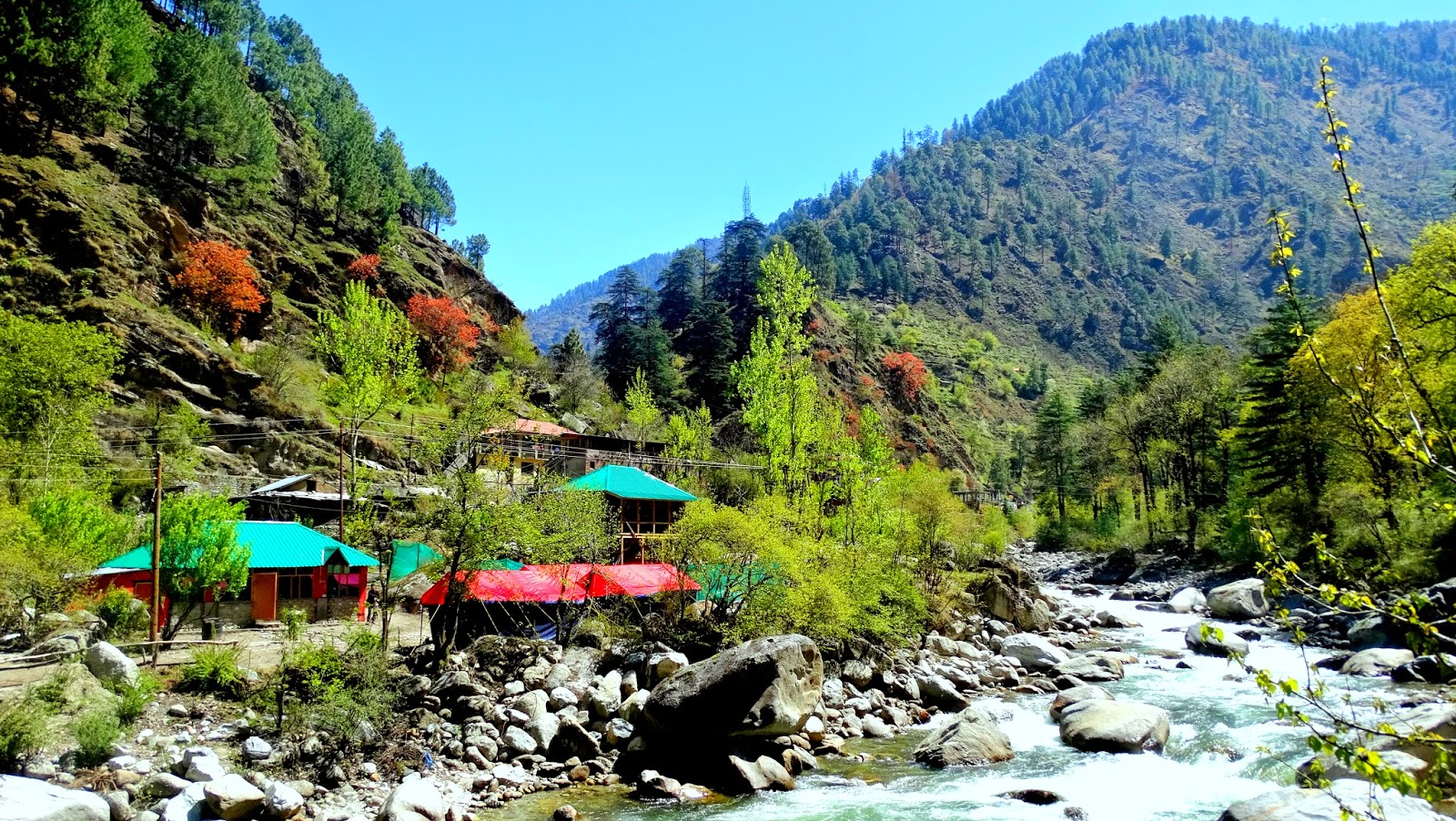
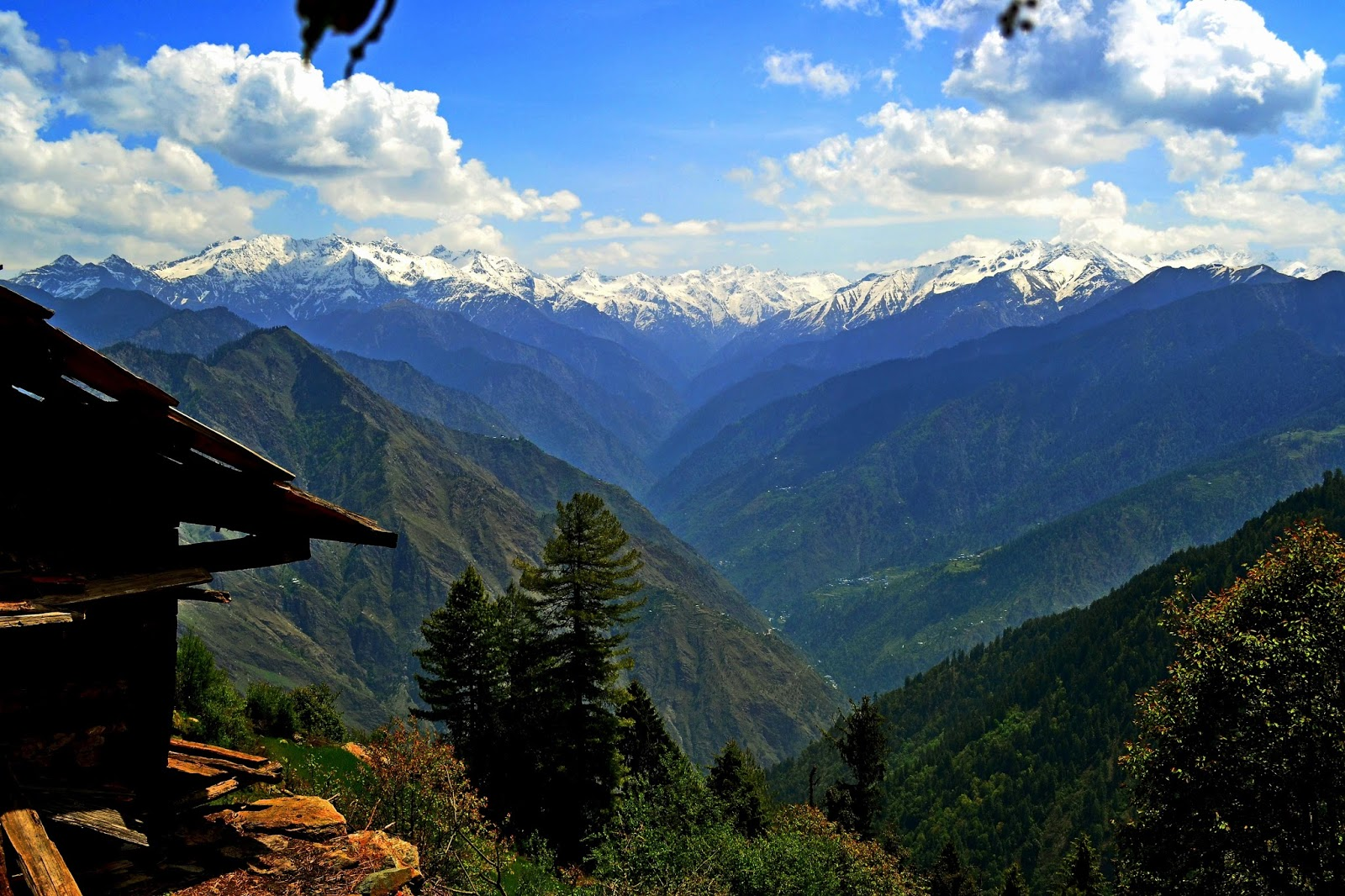
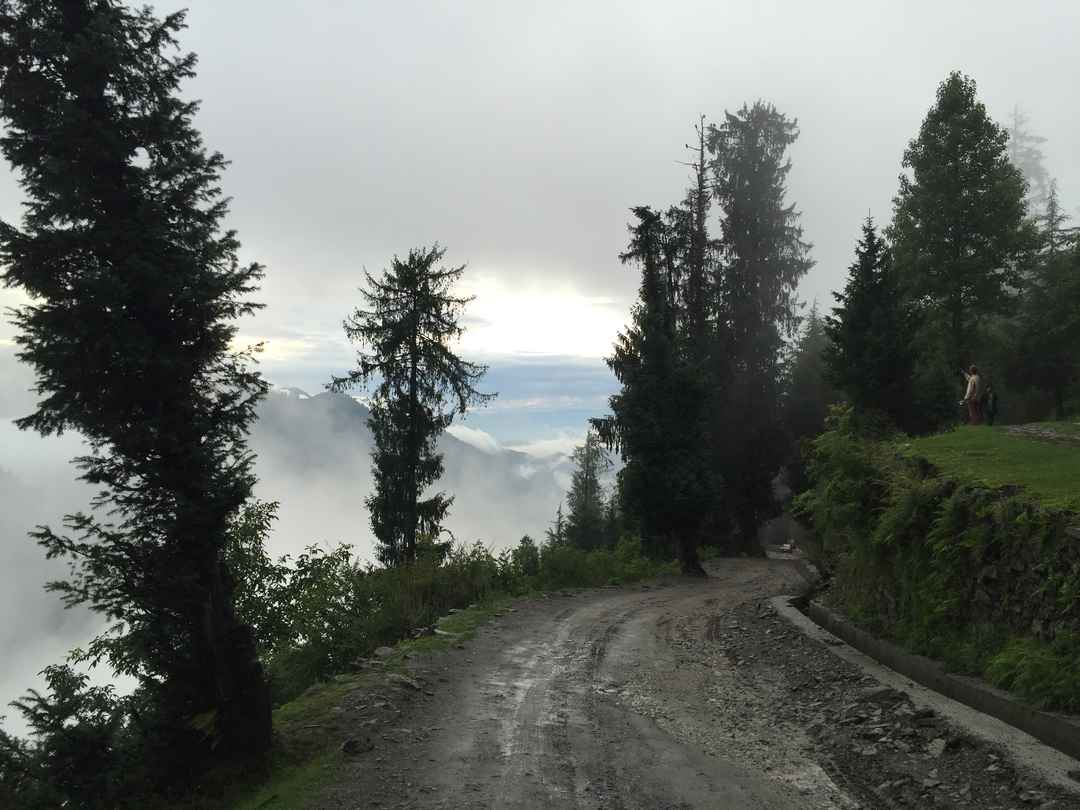
Fun fact: The valley is one of the very few places in India where you can spot rainbow trout, thanks to British-era fish breeding practices still in use today!
2) Wayanad (Kerala)
Tucked away in the lush Western Ghats, Wayanad is Kerala’s green paradise—an enchanting blend of wildlife, waterfalls, spice and tea plantations, and tribal heritage. What makes it truly unique is its combination of dense evergreen forests, prehistoric caves, and a culture that’s deeply rooted in nature. Adventure seekers can trek up Chembra Peak to witness the famous heart-shaped lake or explore cascading waterfalls like Soochipara and Meenmutty, each offering breathtaking views and refreshing dips. Thrill lovers can also enjoy adventurous sports like giant swings, kayaking, zip lining, and bungee jumping across various eco-resorts and adventure camps. Wayanad is also home to one of the oldest human settlements in South India—the mysterious Edakkal Caves, which contain petroglyphs over 8,000 years old, the only known Neolithic carvings in India. Adding to its ecological richness, the Wayanad Wildlife Sanctuary—a vital part of the Nilgiri Biosphere Reserve—is home to elephants, tigers, leopards, and rare birds, making it a haven for wildlife lovers and eco-tourists alike.
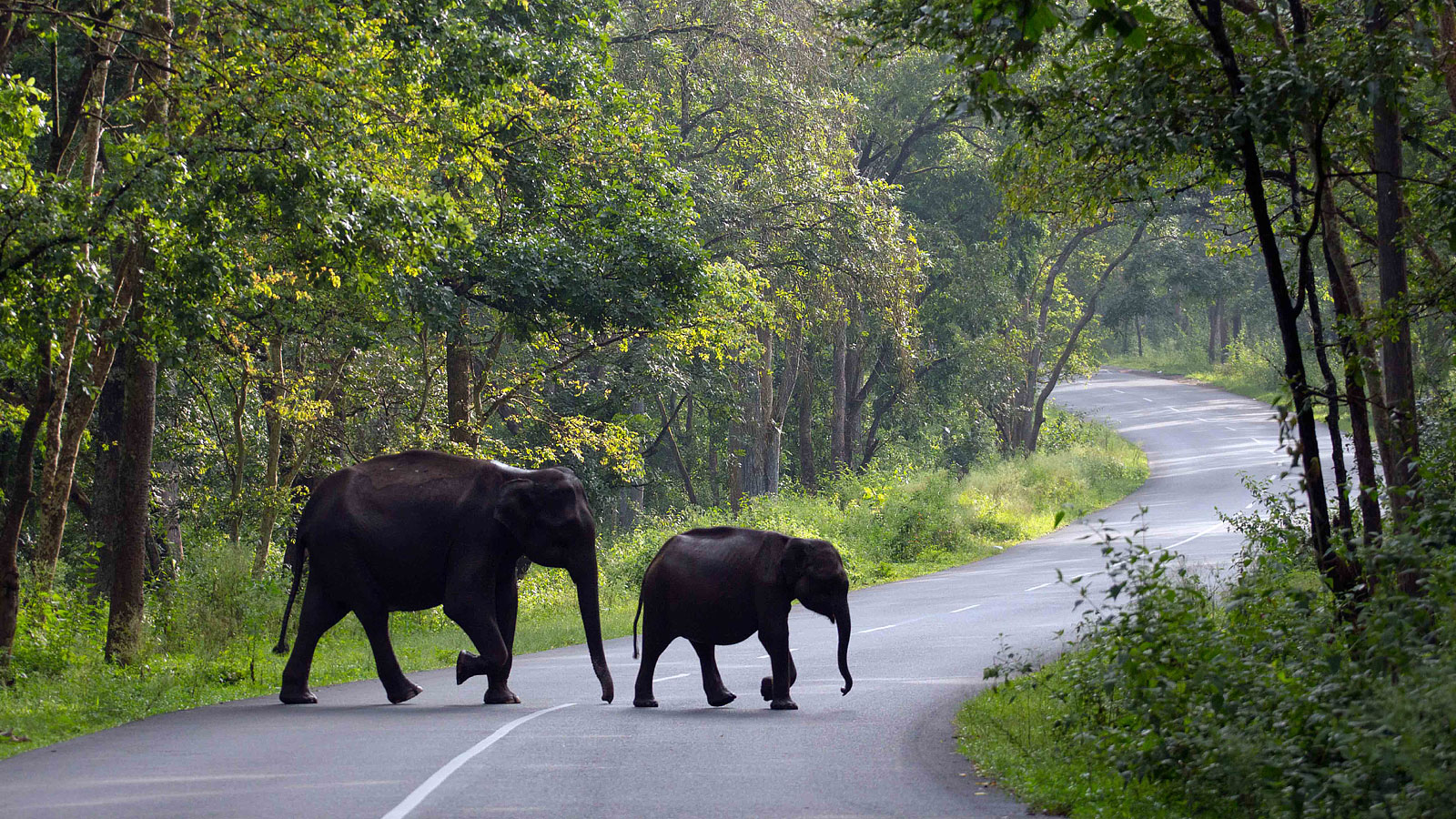

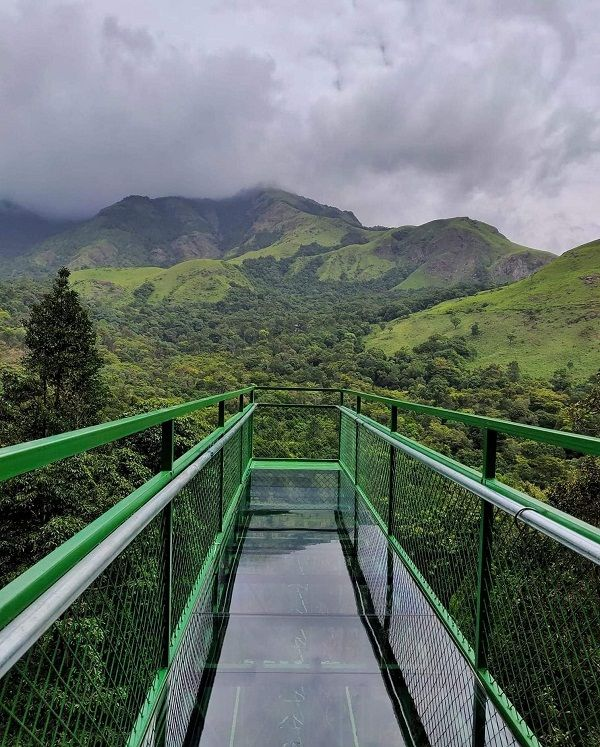
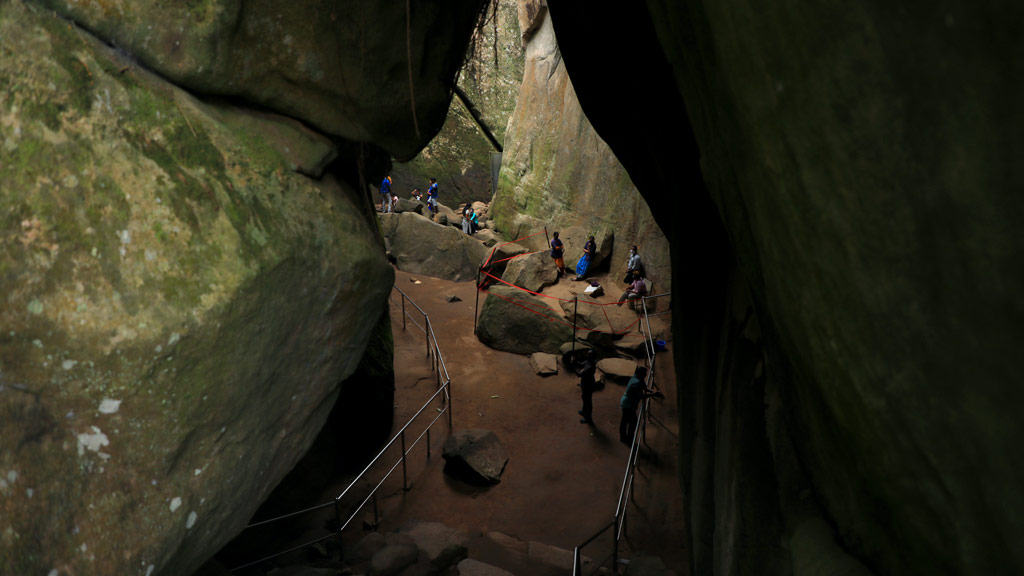
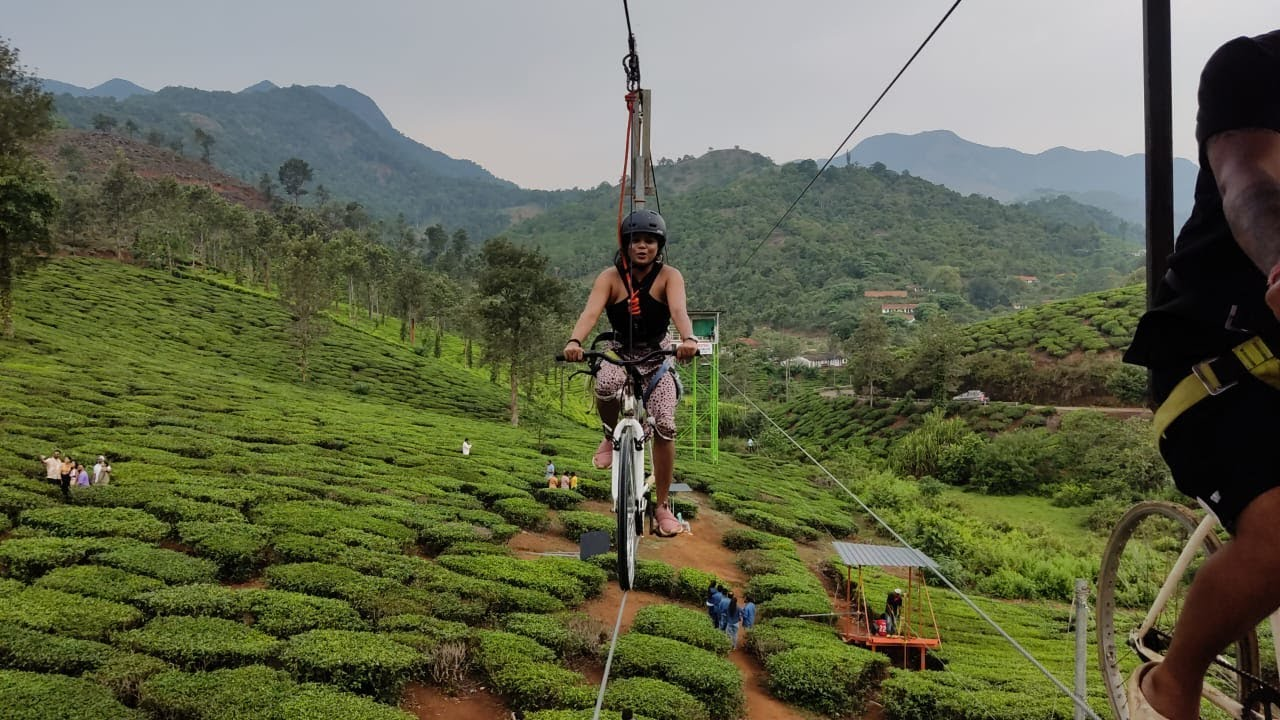
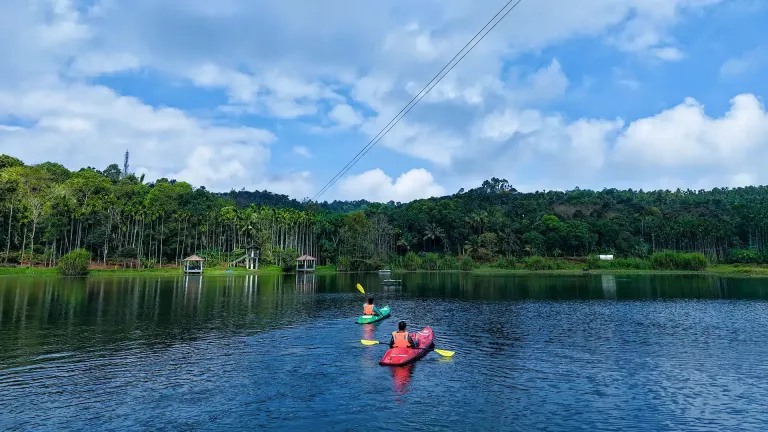
Fun fact: Wayanad is also home to the only earth dam in India—the Banasura Sagar Dam—and supports a rich tribal culture, with over 50% forest cover making it a biodiversity hotspot.
3) Kalimpong (West Bengal)
Perched on a ridge overlooking the Teesta River, Kalimpong is an offbeat hill station known for its peaceful monasteries, colonial-era architecture, and vibrant flower nurseries. Unlike its bustling neighbor Darjeeling, Kalimpong offers a serene vibe with panoramic views of Kanchenjunga. You can visit the famous Zang Dhok Palri Phodang Monastery, explore cactus nurseries, or stroll through the quaint local markets. Its unique blend of Tibetan, Bhutanese, and colonial heritage makes it a hidden gem for those seeking a quiet Himalayan retreat.
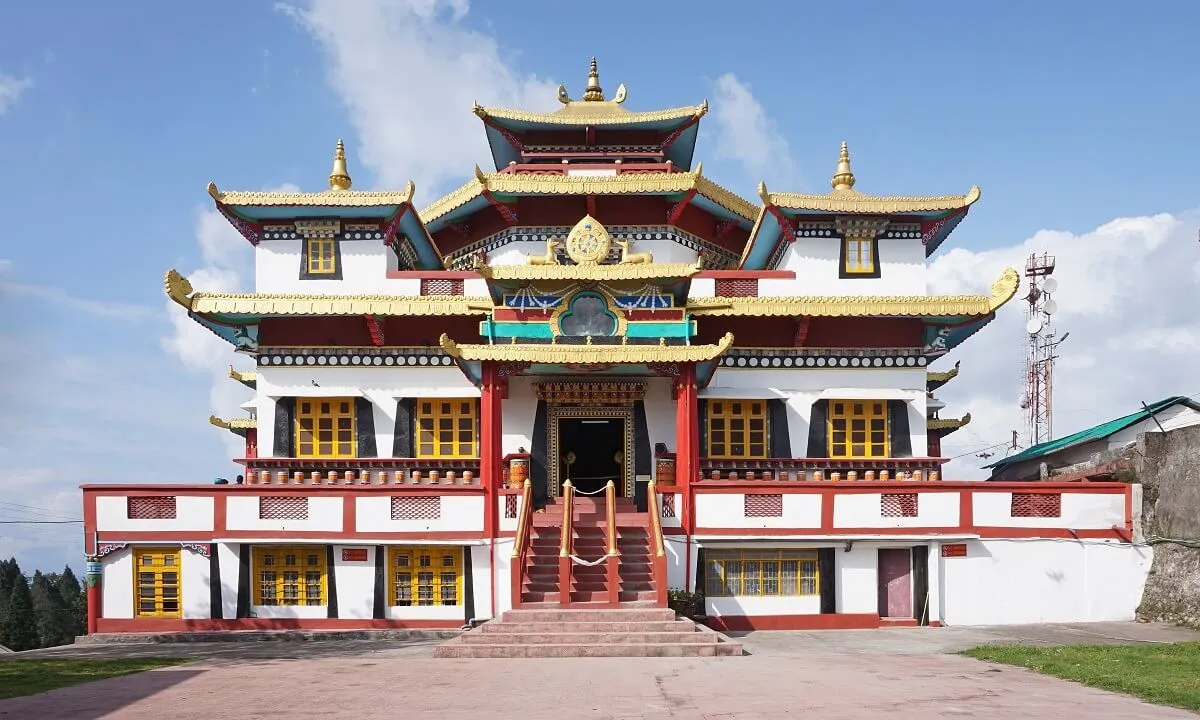

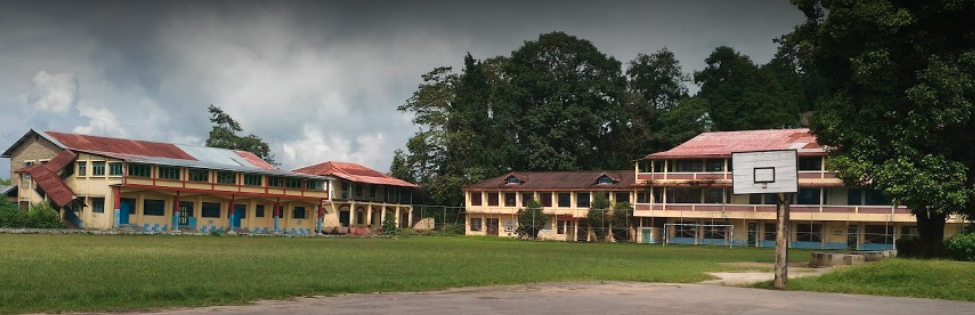
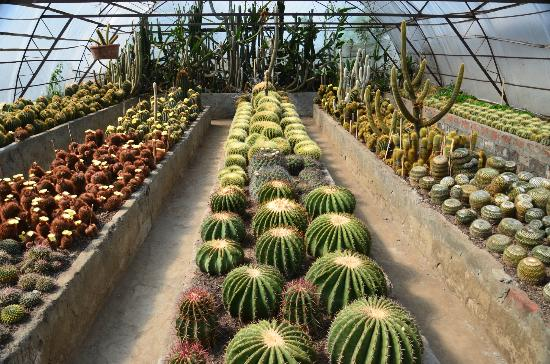

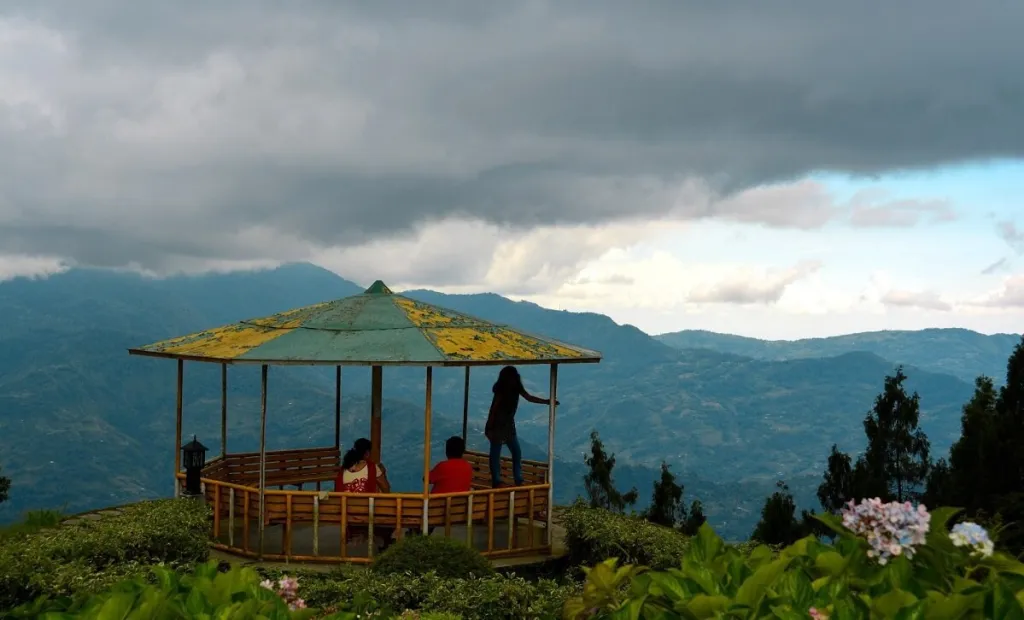
Fun Fact: Kalimpong is known as the “Land of Flowers” because it houses over 50 nurseries exporting exotic orchids, gladioli, cacti, and other Himalayan flowers worldwide. It’s one of India’s biggest flower nursery hubs!
4) Lansdowne (Uttarakhand)
Nestled in the Pauri Garhwal district, Lansdowne is a quiet hill station known for its pine forests and colonial-era charm. Established by the British as a cantonment town, it remains clean and less commercialised. Visitors can stroll around Tip-in-Top viewpoint for stunning sunrise and sunset views, visit the iconic St. John’s Church, Macfarlane Memorial Church or enjoy peaceful boat rides at Bhulla Tal Lake. For adventure lovers, Lansdowne offers trekking trails through oak and pine forests, nature walks, bird watching, and camping under starlit skies. You can also explore the Garhwali Museum to learn about the proud military history of the Garhwal Rifles and visit Kaleshwar Mahadev Temple, one of the oldest temples in the region. The tranquil environment, cool climate, and blend of nature, history, and adventure make Lansdowne a perfect hidden retreat away from crowded tourist spots.

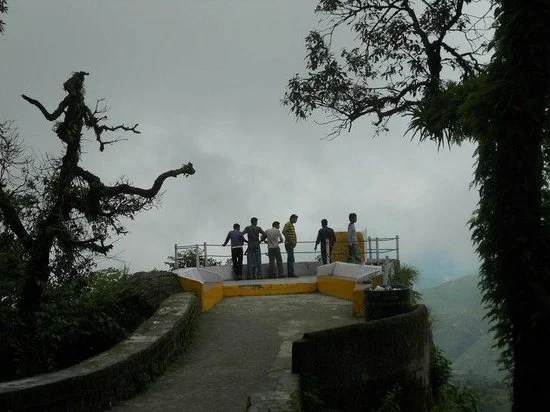
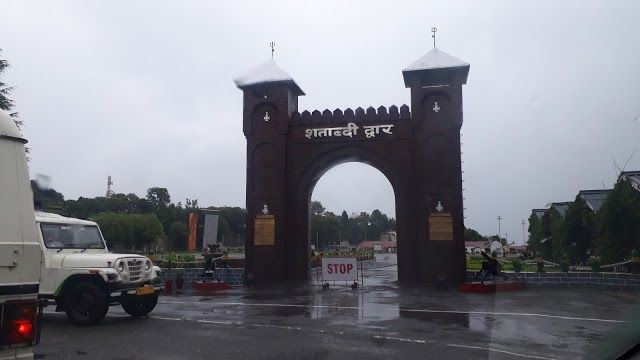
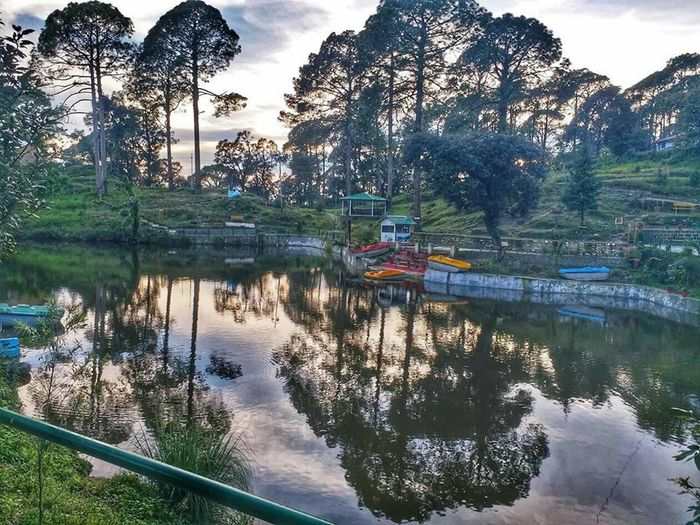
Fun fact: Lansdowne was named after Lord Lansdowne, the then Viceroy of India, when he founded the town in 1887 as a military garrison for the British. Today, it remains an important training centre for the Garhwal Rifles of the Indian Army.
5) Andaman & Nicobar Islands
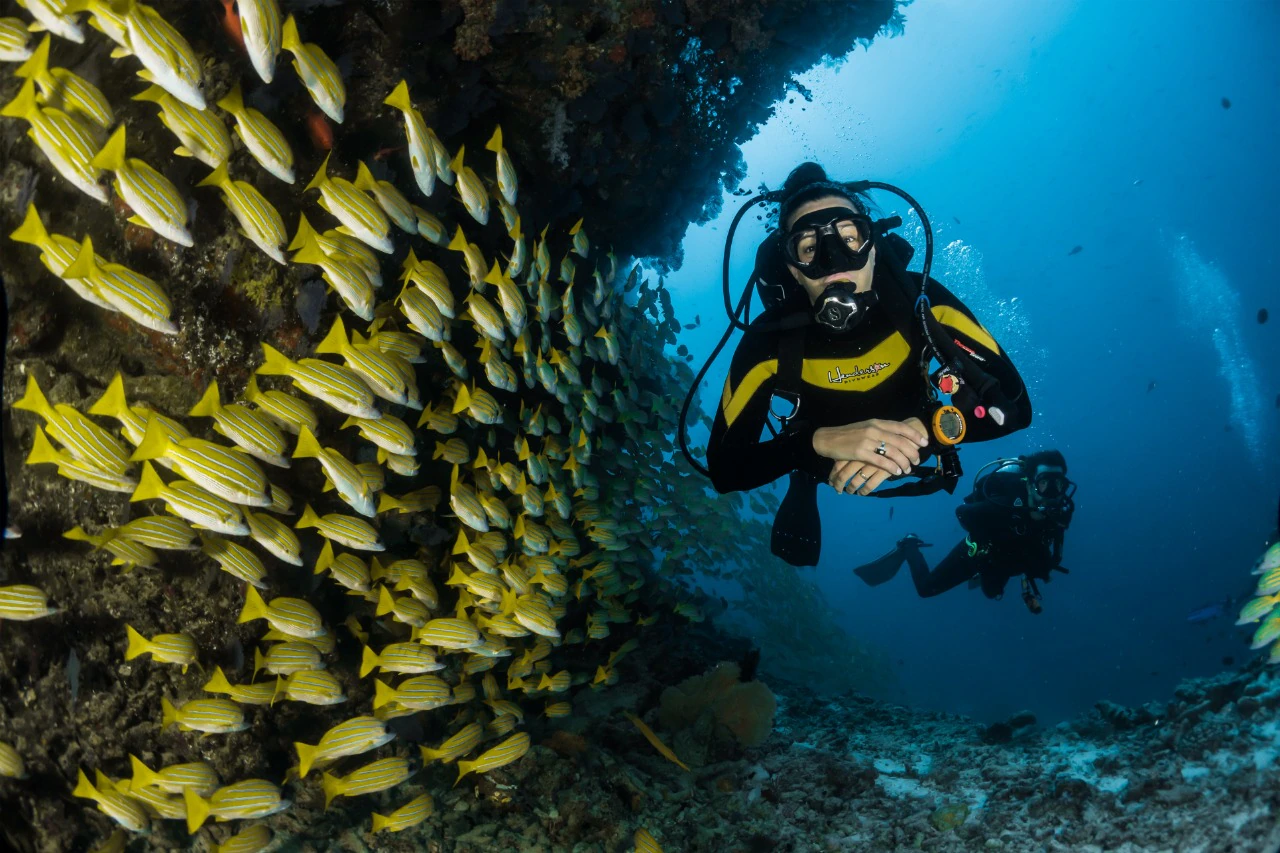
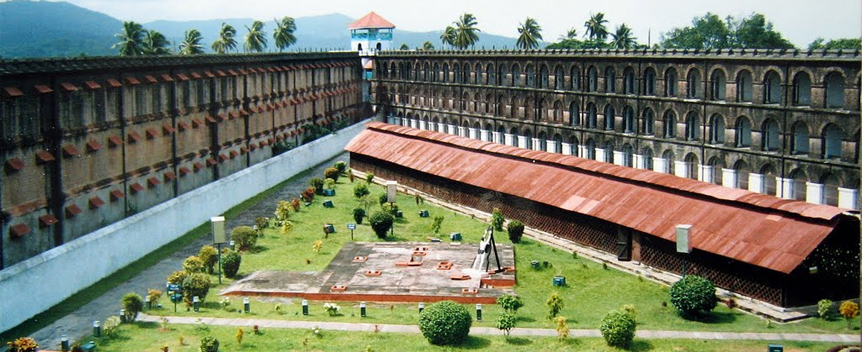
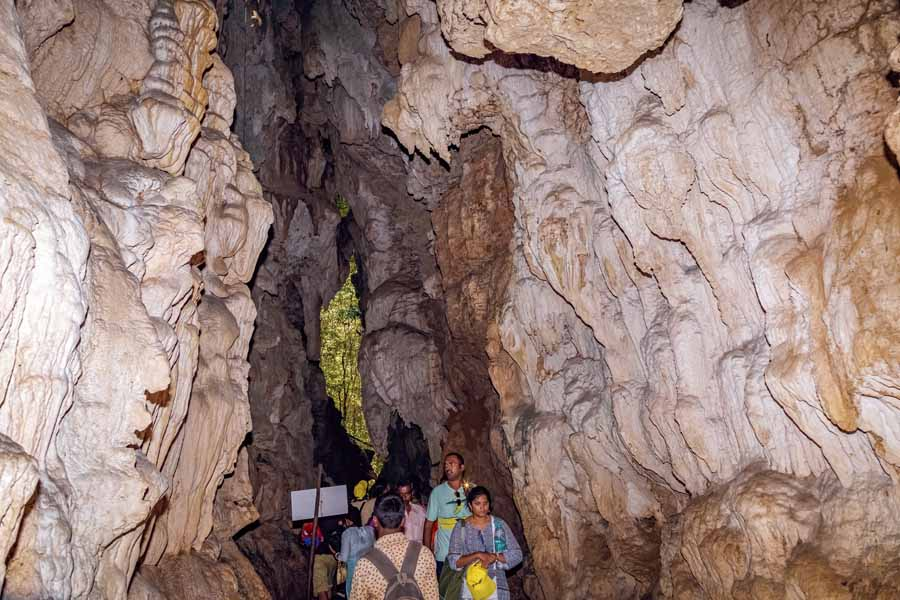
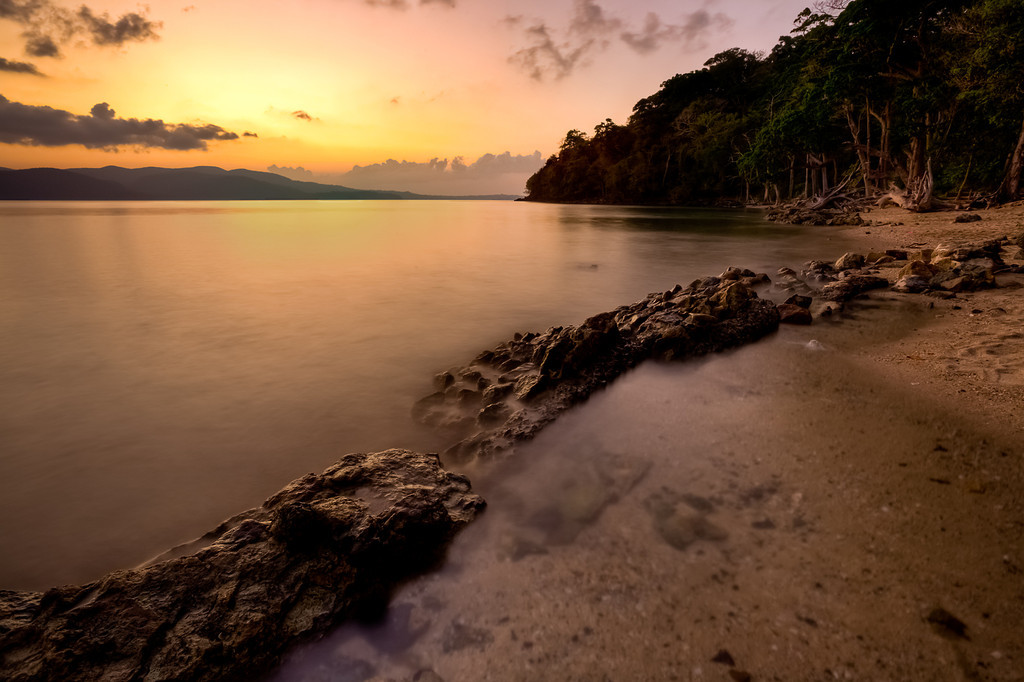
Floating in the turquoise waters of the Bay of Bengal, the Andaman & Nicobar Islands are a tropical paradise of white-sand beaches, dense rainforests, and vibrant marine life. Known for historical landmarks like the Cellular Jail in Port Blair, the islands also offer thrilling adventures such as scuba diving at Havelock Island, snorkelling at Neil Island, and exploring limestone caves at Baratang. With their unique blend of indigenous tribal heritage, colonial history, and pristine nature, the Andamans remain one of India’s most mesmerising island destinations.
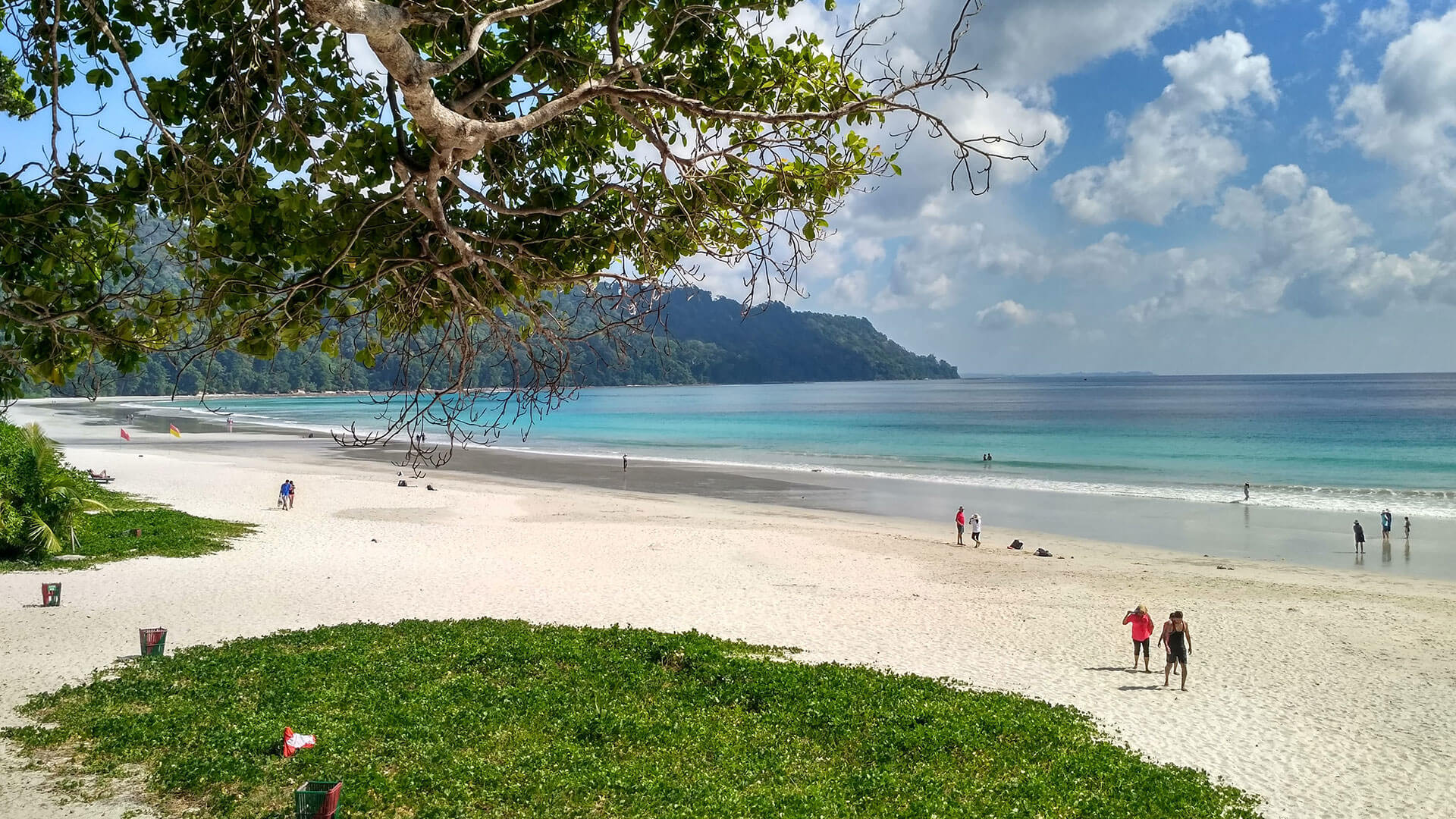
Fun Fact: The Andaman & Nicobar Islands are home to the Sentinelese tribe, one of the last uncontacted tribes in the world, living on North Sentinel Island. They have remained isolated for thousands of years and strictly avoid any contact with outsiders to preserve their way of life.
6) Alleppey (Alappuzha), Kerala
Known as the “Venice of the East”, Alleppey is famous for its enchanting network of backwaters, serene houseboat cruises, and lush green paddy fields. Travelling through its canals offers glimpses of traditional Kerala village life, coconut groves, and migratory birds. You can sail through Kuttanad, the “Rice Bowl of Kerala,” where farming is done below sea level, and immerse yourself in the region’s unique landscape. The annual Nehru Trophy Snake Boat Race on Punnamada Lake adds vibrant energy to this peaceful town. After a day of exploration, unwind with an authentic Ayurvedic spa or massage to rejuvenate your body and mind. Whether you’re gliding through on a houseboat, enjoying Kerala seafood by the waterside, or experiencing its healing traditions, Alleppey promises a truly unique and refreshing escape.

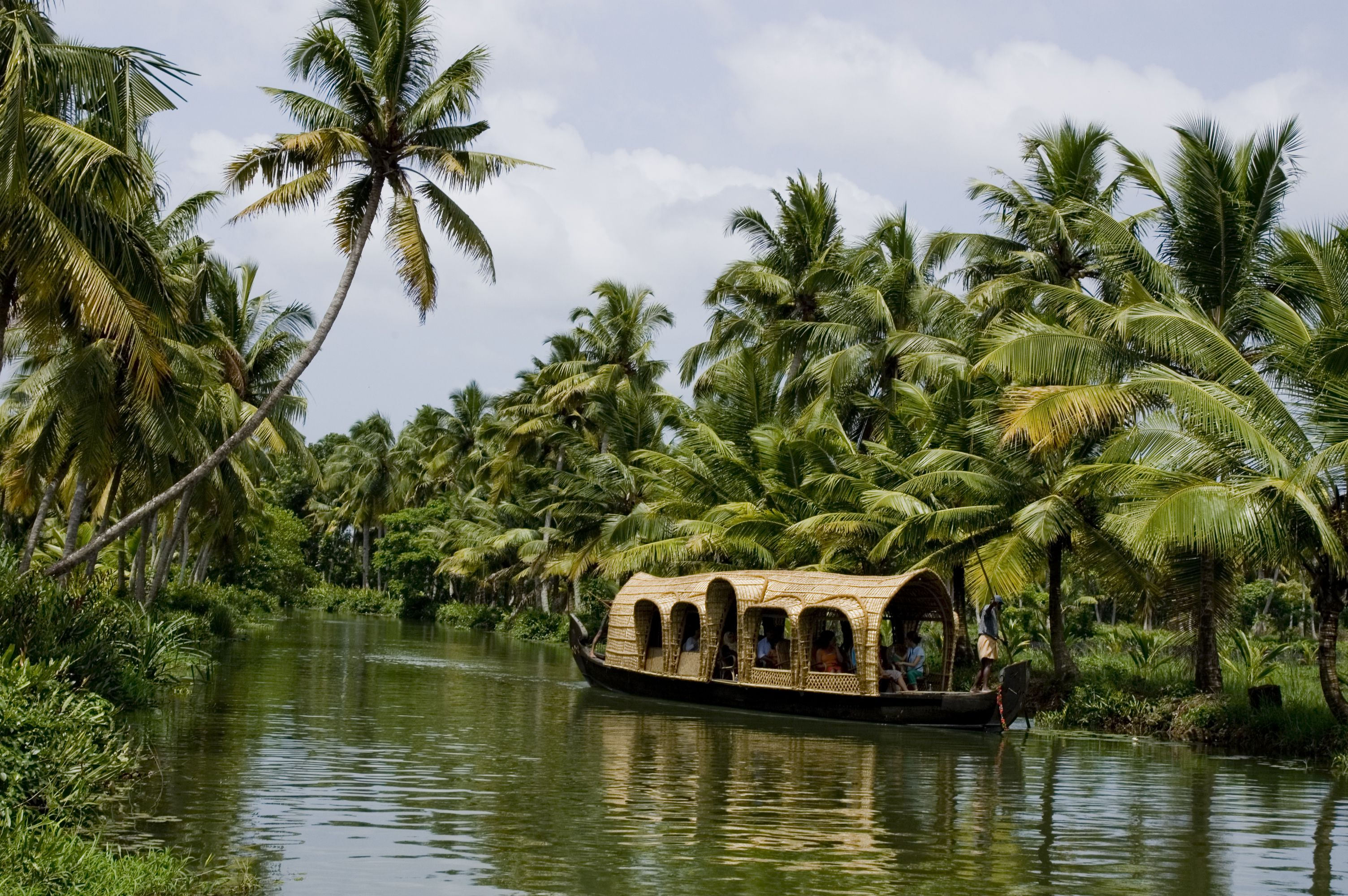
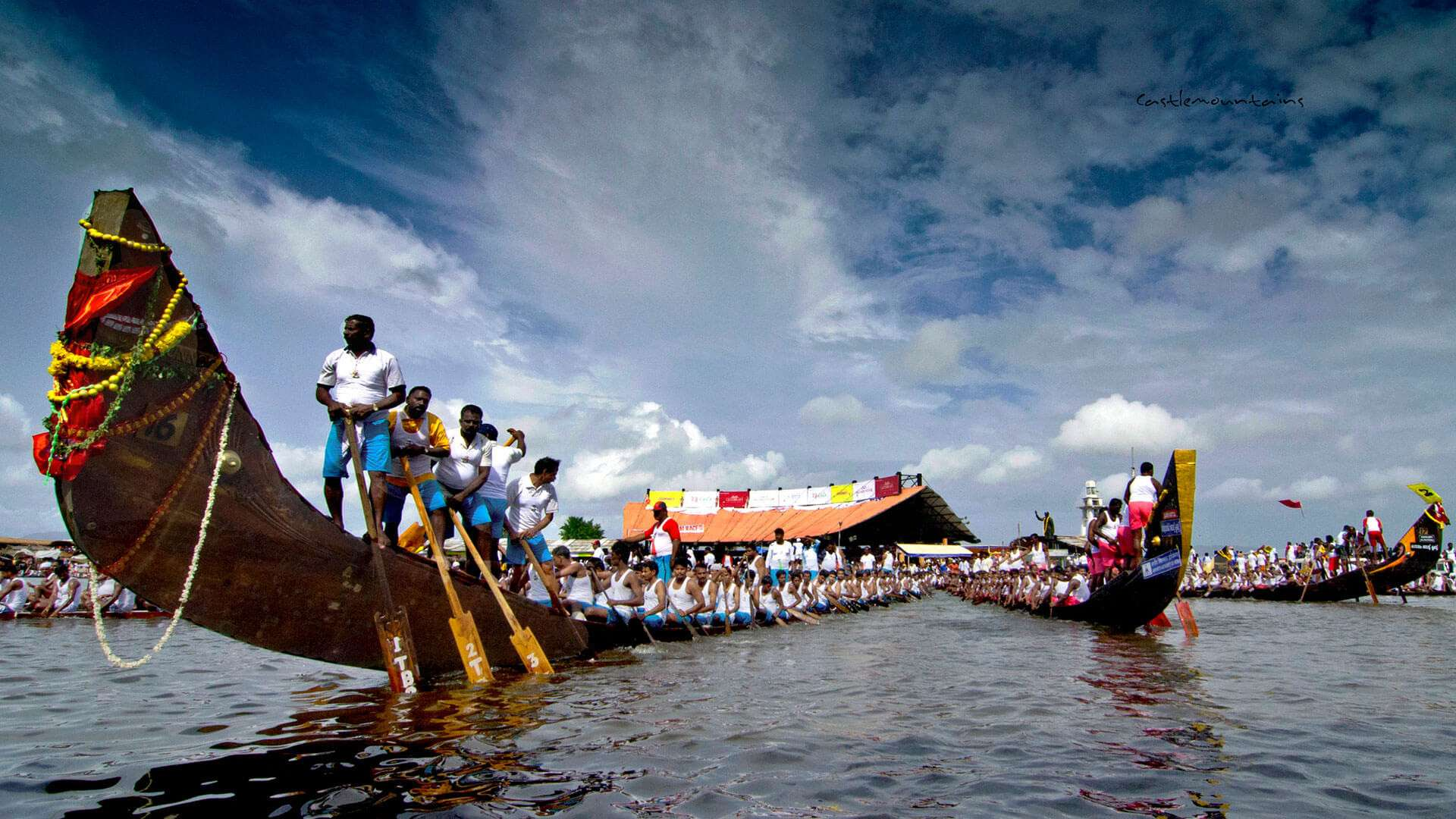
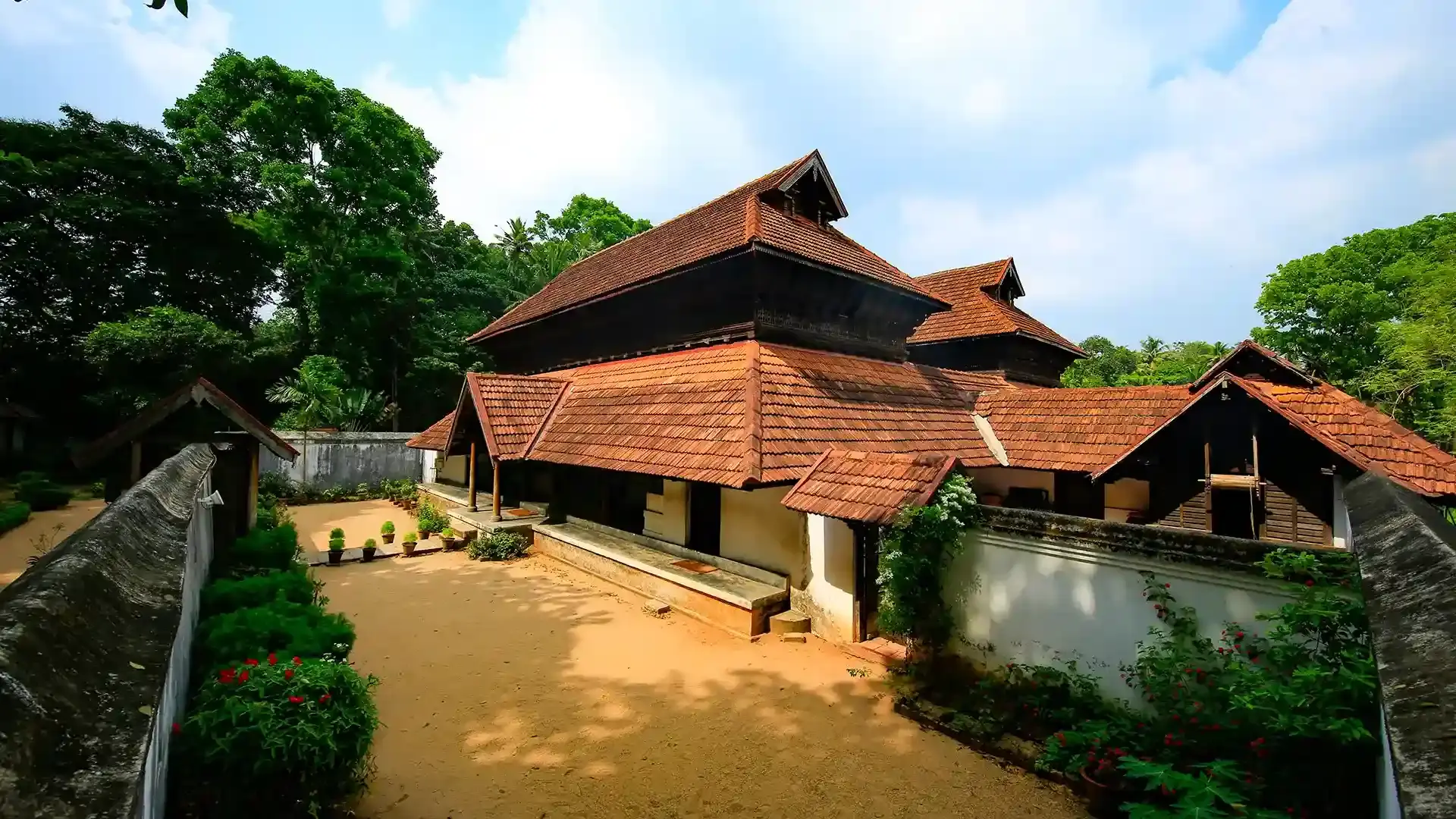
Fun Fact: Alleppey is home to India’s longest lake – Vembanad Lake, which spans several districts and is a key part of Kerala’s famous backwater ecosystem. It even has a floating post office, delivering letters to houseboats and villages along its waters!
7) Hampi (Karnataka)
A surreal landscape of giant boulders, ancient ruins, and banana plantations, Hampi is a timeless treasure nestled on the banks of the Tungabhadra River. Once the glorious capital of the Vijayanagara Empire, its vast UNESCO World Heritage Site is dotted with magnificent stone temples, royal enclosures, and market streets that whisper tales of its rich past. From the iconic Virupaksha Temple to the intricate stone chariot of Vittala Temple, every monument here is a masterpiece of Dravidian architecture. You can also admire the elegant Lotus Mahal, with its Indo-Islamic arches in the Zenana Enclosure, and visit the impressive Elephant Stables, where royal elephants were once housed. Whether you’re watching the sunset from Matanga Hill or wandering through its ruins, Hampi feels like stepping into a forgotten world frozen in time.
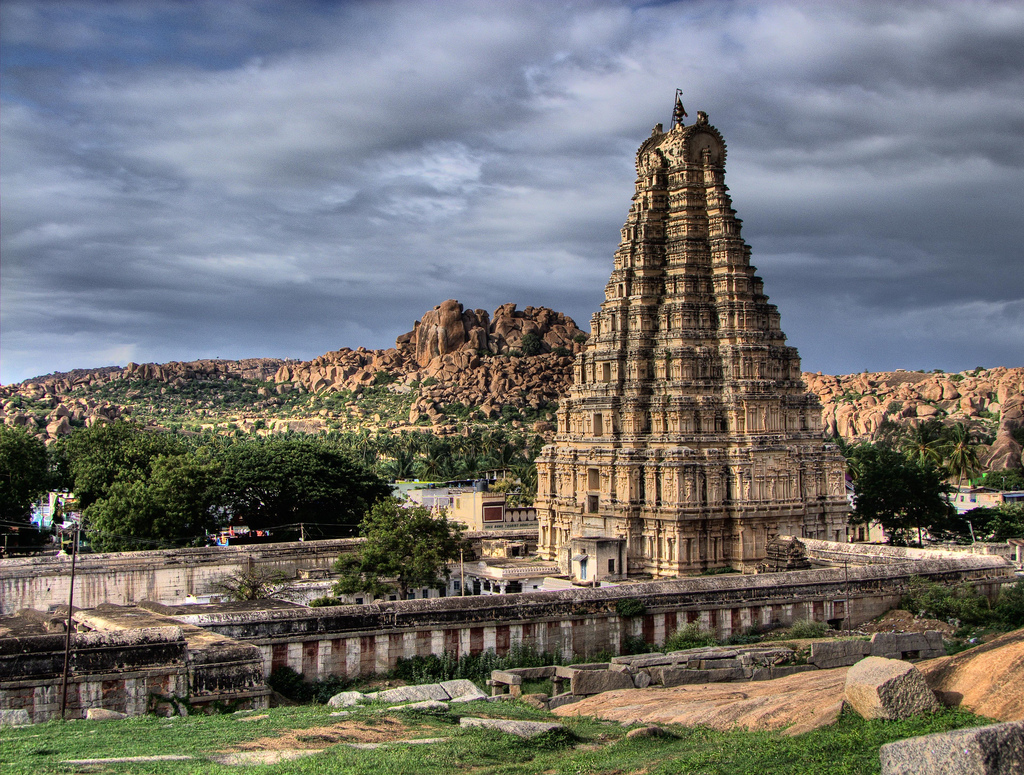

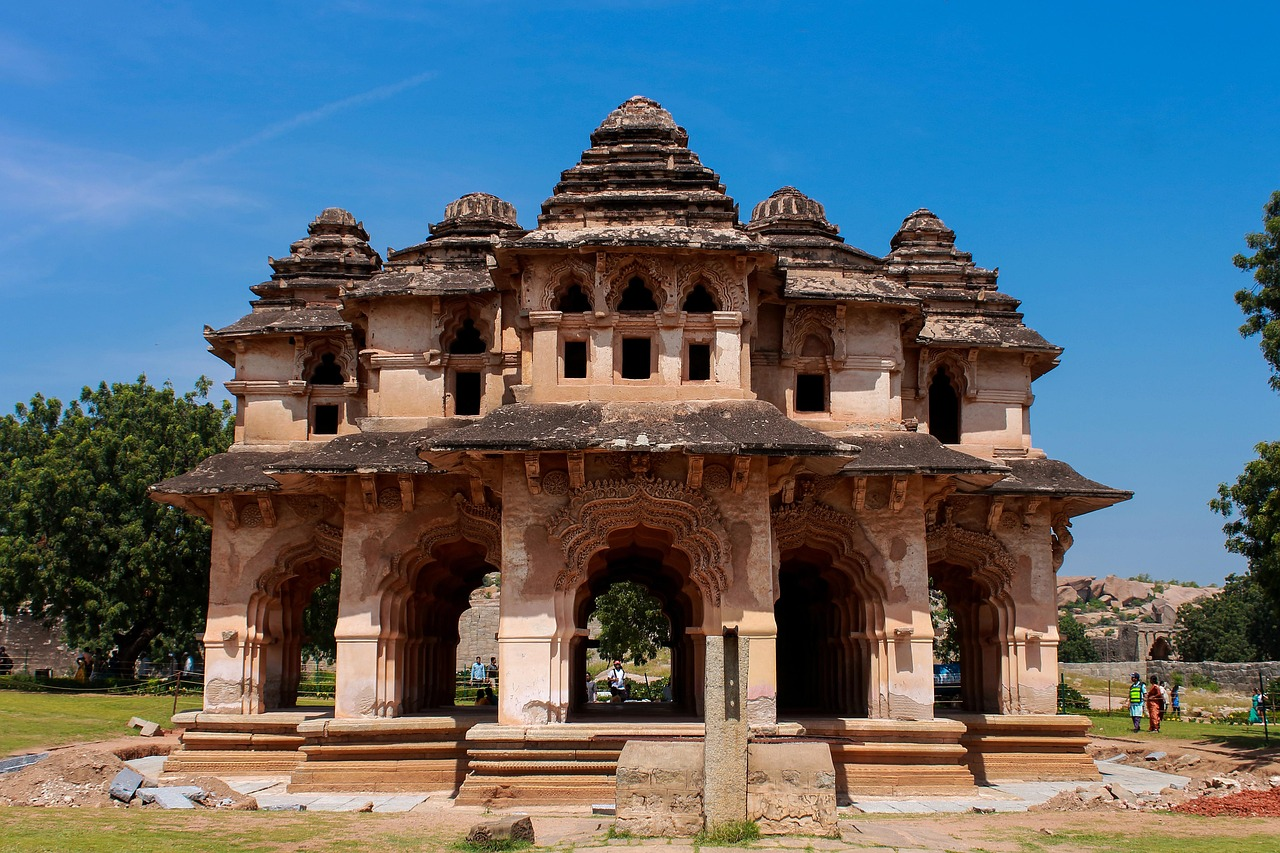
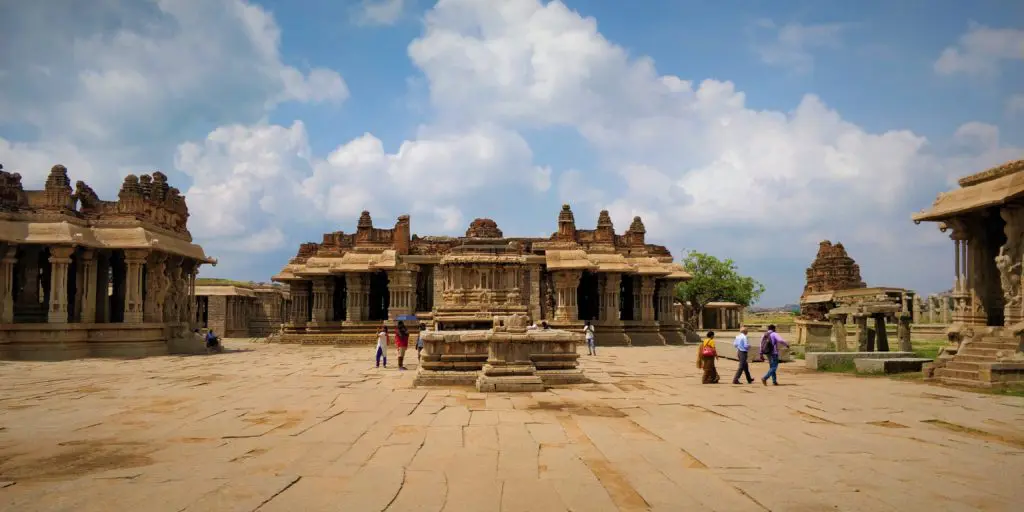
Fun Fact: Hampi was once one of the richest cities in the world during the 16th century. Portuguese and Persian travellers described its markets as overflowing with diamonds and precious stones openly sold on streets without security, showcasing the immense wealth of the Vijayanagara Empire.
8) Raison (Himachal Pradesh)
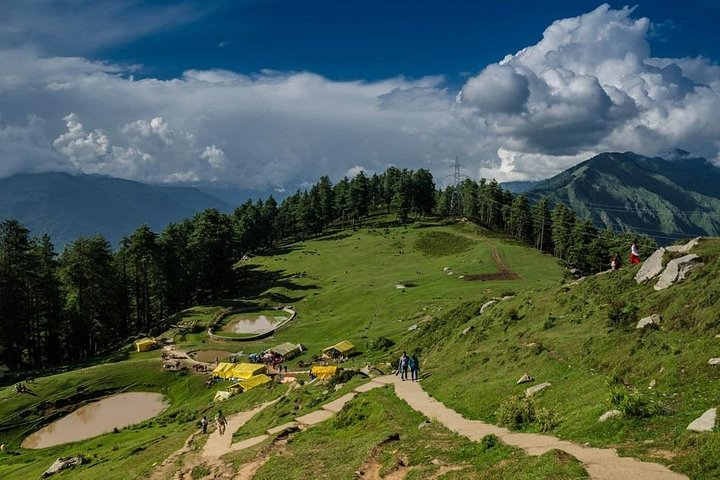
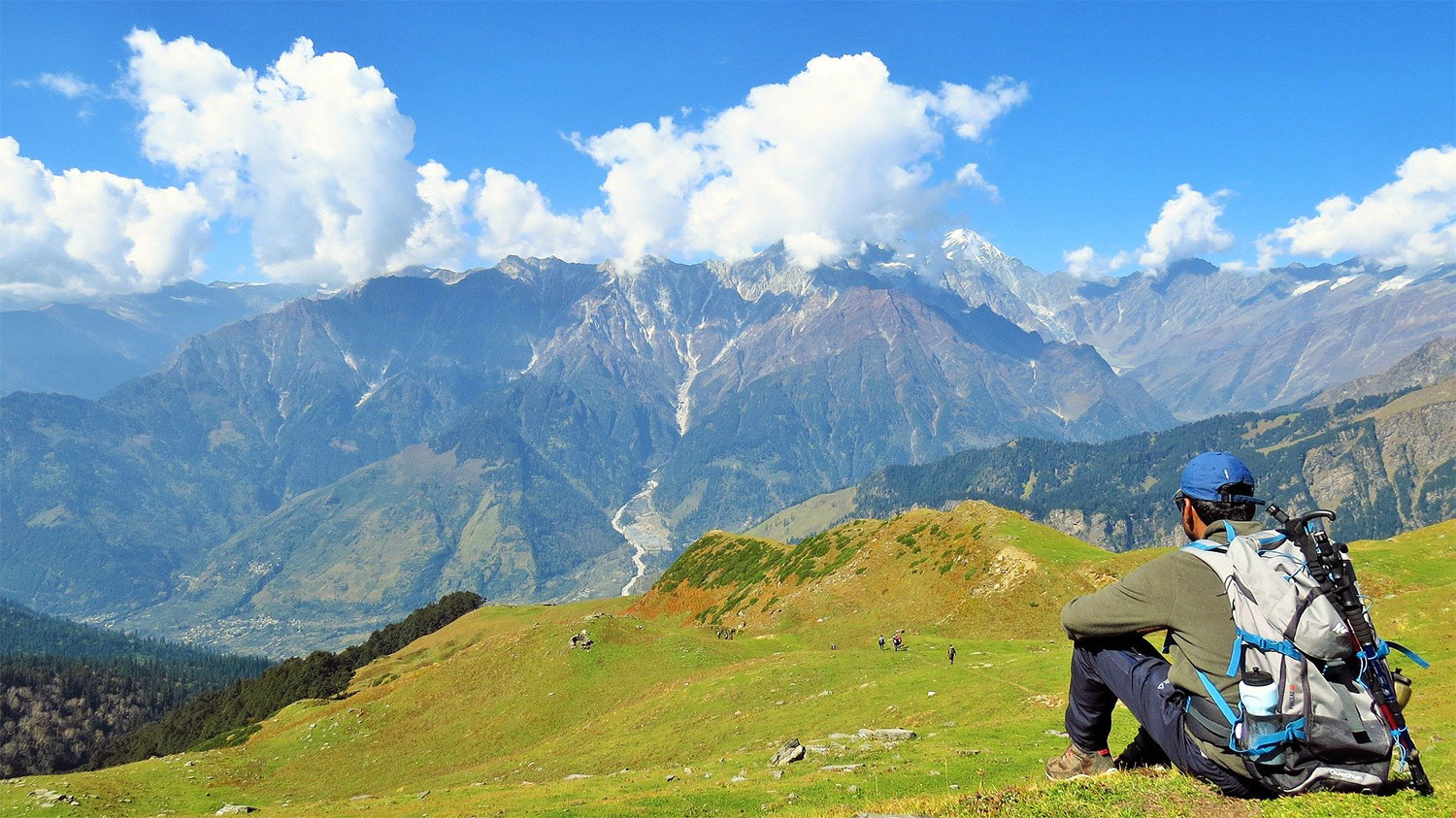
Tucked away on the banks of the Beas River near Kullu, Raison is a serene cluster of quaint villages known for their natural beauty and peaceful vibes. Surrounded by apple orchards and pine forests, it is an ideal spot for riverside camping, trout fishing, and paragliding, making it a hidden adventure hub. Just a short drive away is Manali’s Mall Road, buzzing with cafes, markets, and local handicrafts. You can also plan trips to Bijli Mahadev Temple, known for its panoramic Kullu valley views, or visit the nearby Atal Tunnel, which leads you towards Sissu and the stark landscapes of Lahaul. For trekkers and campers, Hamta Pass and Sethan Valley offer breathtaking trails, snow adventures, and peaceful camping experiences. With its clean air, clear skies, and proximity to Manali’s top attractions, Raison is the perfect offbeat retreat combining tranquillity with thrilling adventures.
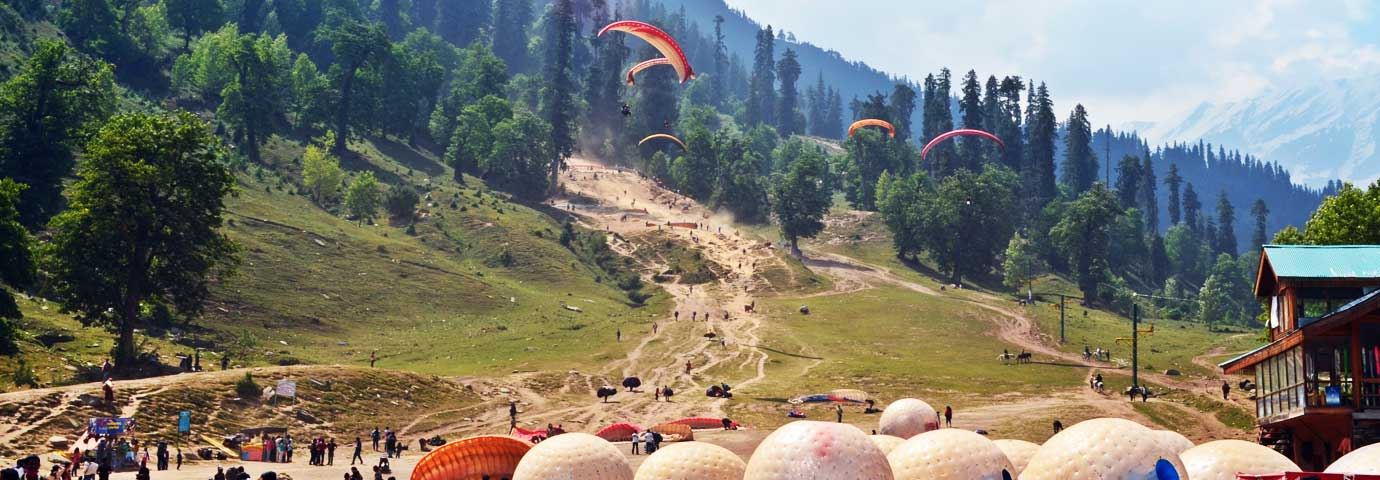
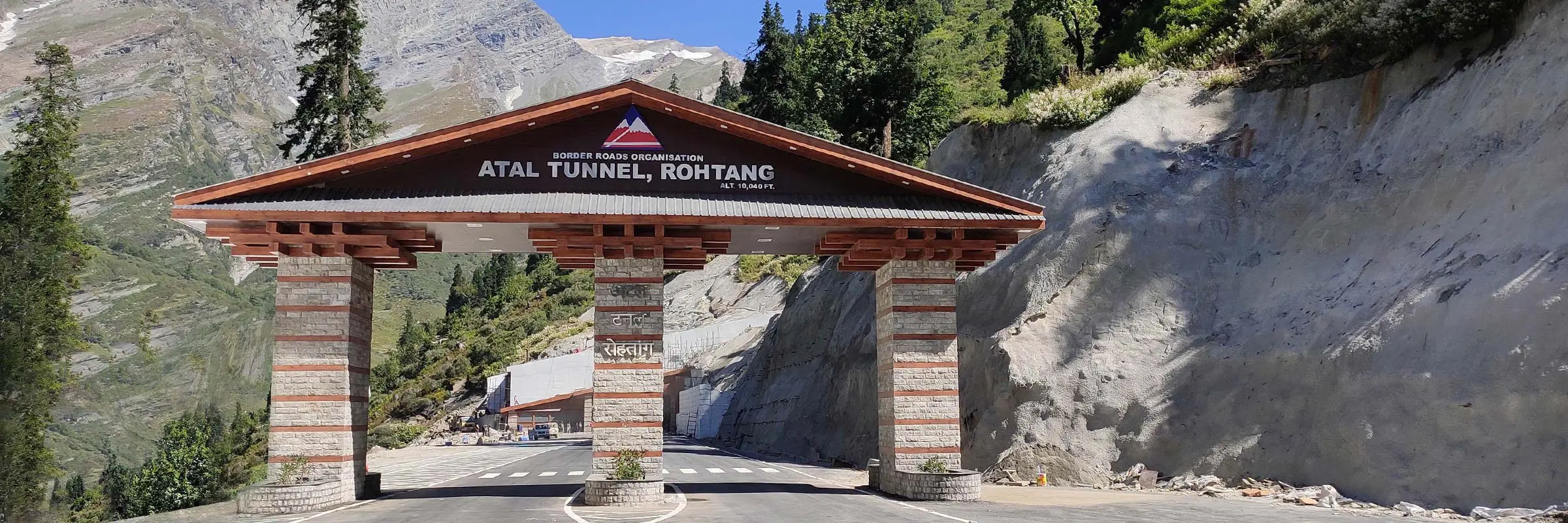
Fun Fact:
Raison is famous for its extensive camping grounds managed by Himachal Tourism, making it one of the few places in Himachal Pradesh where you can camp right by the riverside with a panoramic view of the Himalayas and wake up to the soothing sounds of the Beas River.
9) Spiti Valley (Himachal Pradesh)
Nestled between Tibet and India, Spiti Valley is a stark yet stunning cold desert, often called “Little Tibet” for its unique landscape and Buddhist culture. Its barren mountains, ancient monasteries like Key, Tabo, and Dhankar, and remote villages such as Kibber, Komic, and Langza transport you to a different world. Kaza, the valley’s main town, serves as a base with its cosy cafes, vibrant markets, and warm local hospitality. Travelling through Spiti means witnessing turquoise rivers cutting through brown mountains, spotting Himalayan wildlife, and gazing at a million stars from some of the highest inhabited villages on Earth. Don’t miss the breathtaking Chandratal Lake (Moon Lake), with its turquoise waters reflecting the surrounding peaks, offering one of the most magical camping experiences in India. Whether you’re sending a postcard from Hikkim or meditating at Key Monastery, Spiti promises an unforgettable spiritual and adventurous journey away from civilisation’s noise.
Fun Fact: Spiti Valley is home to Hikkim Post Office, which at an altitude of 4,440 metres (14,567 feet) is the highest post office in the world. Locals and travellers still use it to send postcards, making it a truly unique memory to post from the roof of the world.
10) Chilika Lake (Odisha)
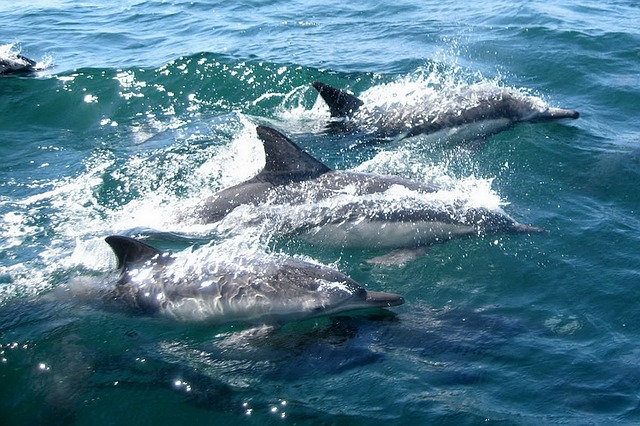
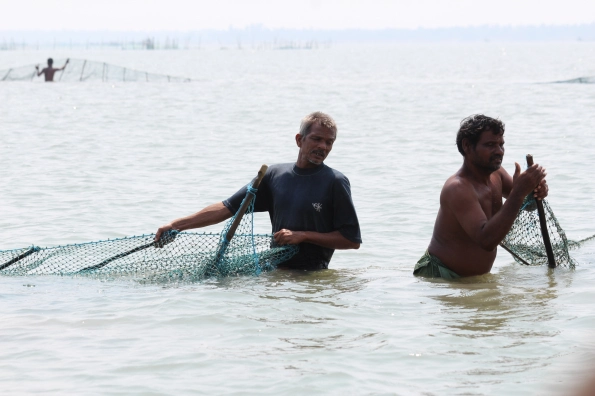
Spread across the coastal plains of Odisha, Chilika Lake is Asia’s largest brackish water lagoon, renowned for its rich biodiversity and scenic beauty. This vast lake transforms into a paradise during winter when over a million migratory birds arrive from Siberia, Central Asia, and beyond, making it a birdwatcher’s dream. You can take a boat ride from Satapada to spot playful Irrawaddy dolphins, visit the island Kalijai Temple, or explore Nalabana Island, a protected bird sanctuary teeming with flamingos and herons. For an authentic eco-tourism experience, visit Mangalajodi village, where local boatmen guide you through wetlands filled with waterbirds. Don’t miss the chance to taste fresh seafood, including prawns, crabs, and fish, at local eateries around the lake. With its unique ecosystem, peaceful waters, breathtaking sunrises, and endless photography opportunities, Chilika offers an unforgettable escape into nature’s splendour.
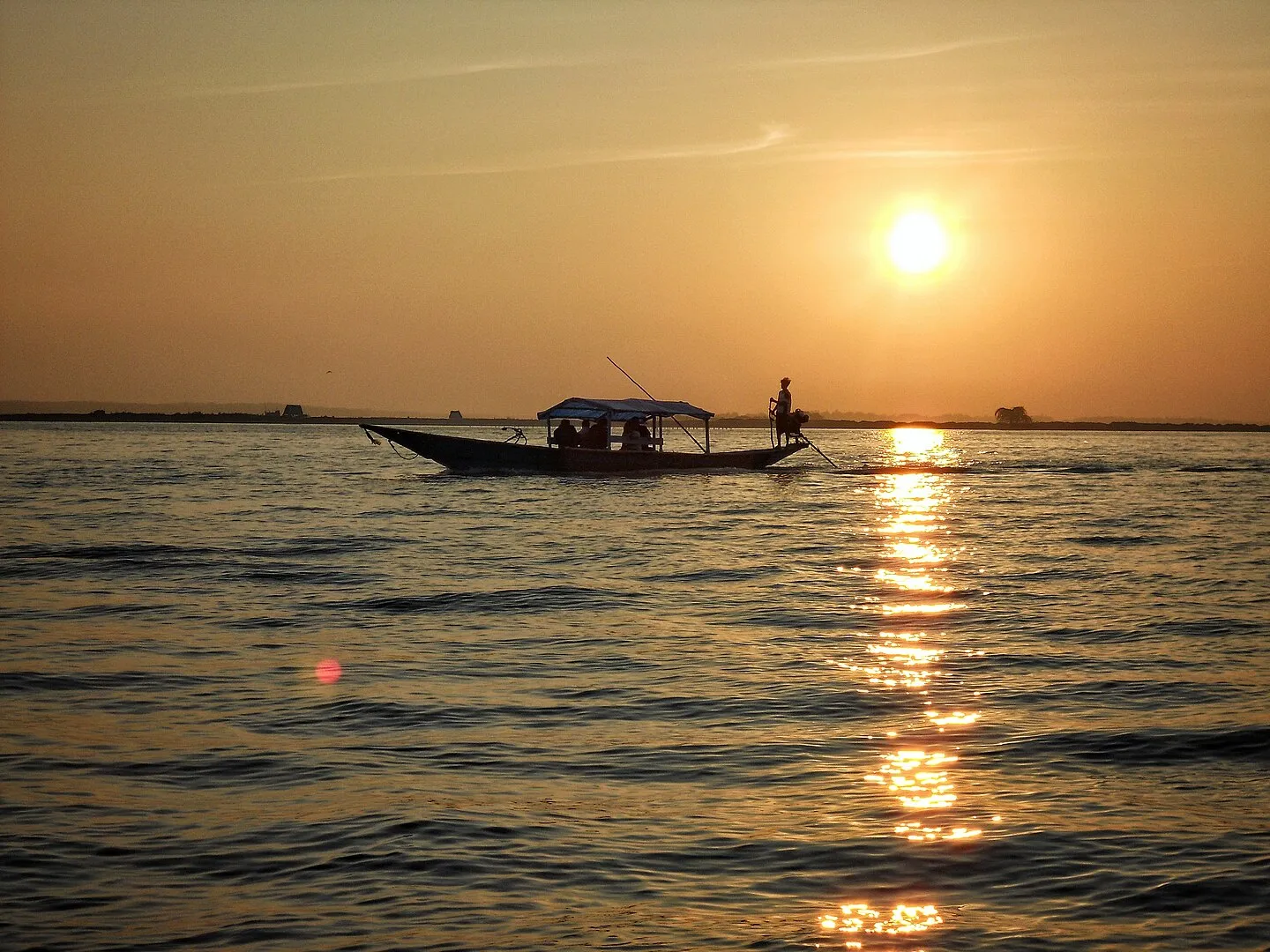
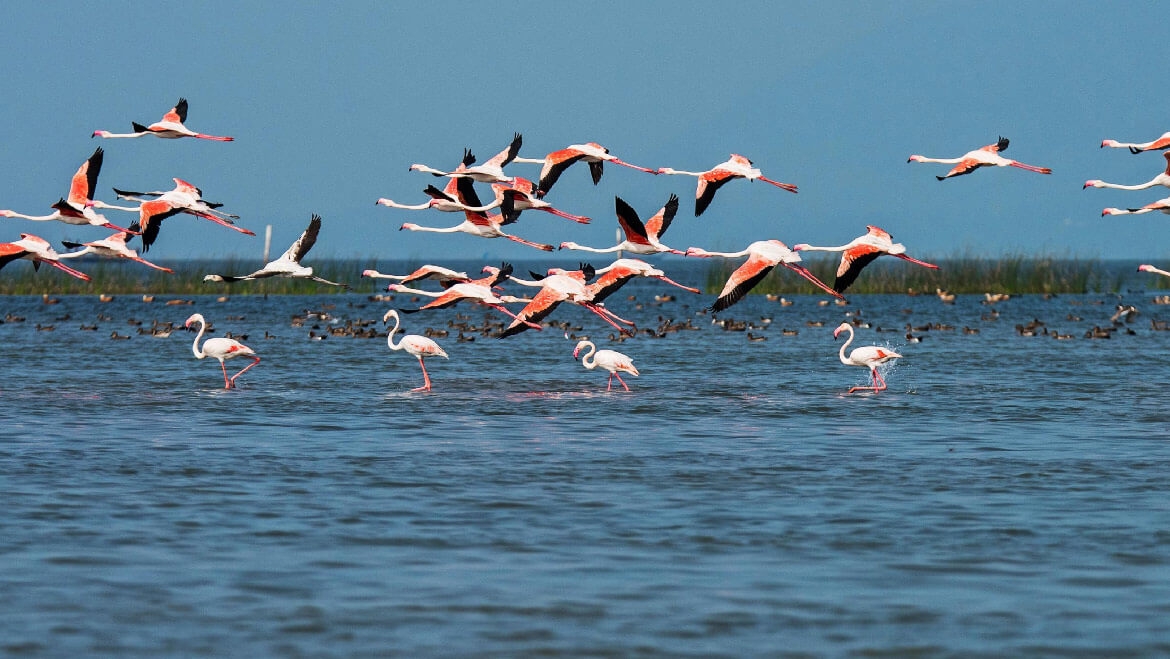
Fun Fact: Chilika Lake is the largest wintering ground for migratory birds in the Indian subcontinent, attracting over 160 species of birds each winter, including flamingos that travel over 12,000 km from Siberia to reach its warm, food-rich waters.
Conclusion
From the serene valleys of Himachal and the untouched coasts of Odisha to the mystical ruins of Hampi and tranquil backwaters of Alleppey in the South, India’s hidden gems whisper stories waiting to be heard. These destinations offer not just scenic beauty but soulful experiences away from crowded tourist trails. As you plan your next journey, step off the beaten path and explore the real India — raw, untouched, and breathtakingly beautiful.
Because the best journeys aren’t found on maps — they’re hidden in plain sight
 Mindscapes in motion