In recent years, chess in India has transcended hobby status to become a major sport, with both mass participation and top-tier international success. What was once the journey of a few talented individuals has become a movement involving hundreds, supported by infrastructure, visibility, and inspiring role models. This blog explores how that happened, who is leading now, what makes India’s growth interesting, and what challenges remain.
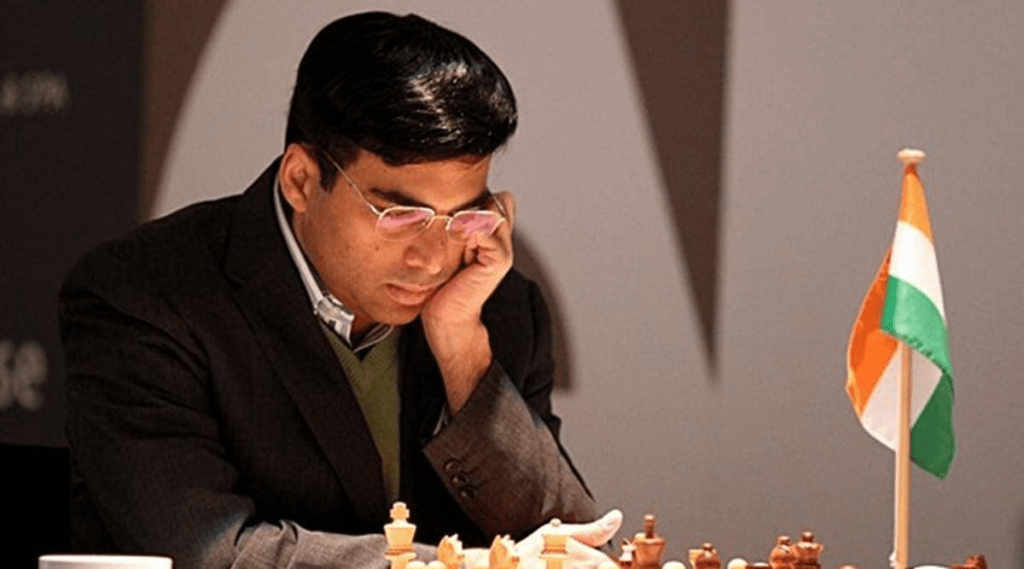
Viswanathan Anand: Catalyst & Legacy
- First GM, first world champion: Anand became India’s first Grandmaster (GM) in 1988 and later became World Champion multiple times. His international successes ignited interest in chess across India.
- Role model and mentor: Nicknamed the “Tiger of Madras,” he inspired a generation with his humility. Not just his achievements, but also his style—speed, adaptability, and calm under pressure—became something for the next generation to emulate.
- Infrastructure influence: Anand’s success encouraged investment—chess academies, sponsorships, and media coverage—that enabled younger players to get coaching, exposure, and tournament experience earlier.
What’s Driving the Boom: Key Factors & Nuances
Several interlinked factors explain why India is not just producing more players but stronger players more consistently.
- Early exposure and talent spotting
Many of the current top players began very young, often between ages 5 and 8. Schools, local clubs, and online platforms have played roles in identifying and nurturing talent early. - Better coaching, international exposure
Access to strong trainers (both Indian and foreign), participation in international tournaments, and exposure to different styles—all help improve not just skill but also competitive temperament. - Role models forming the feedback loop
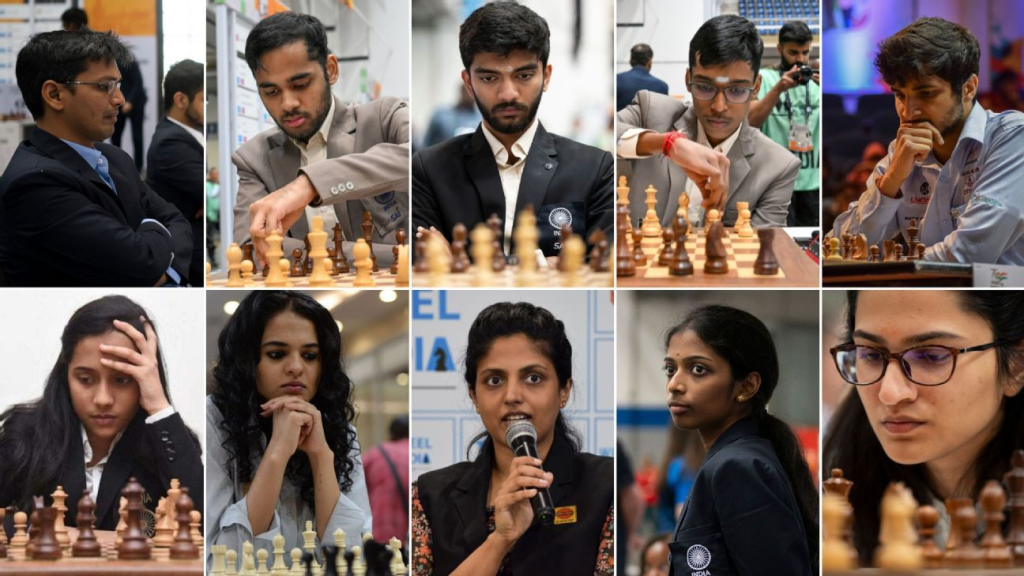
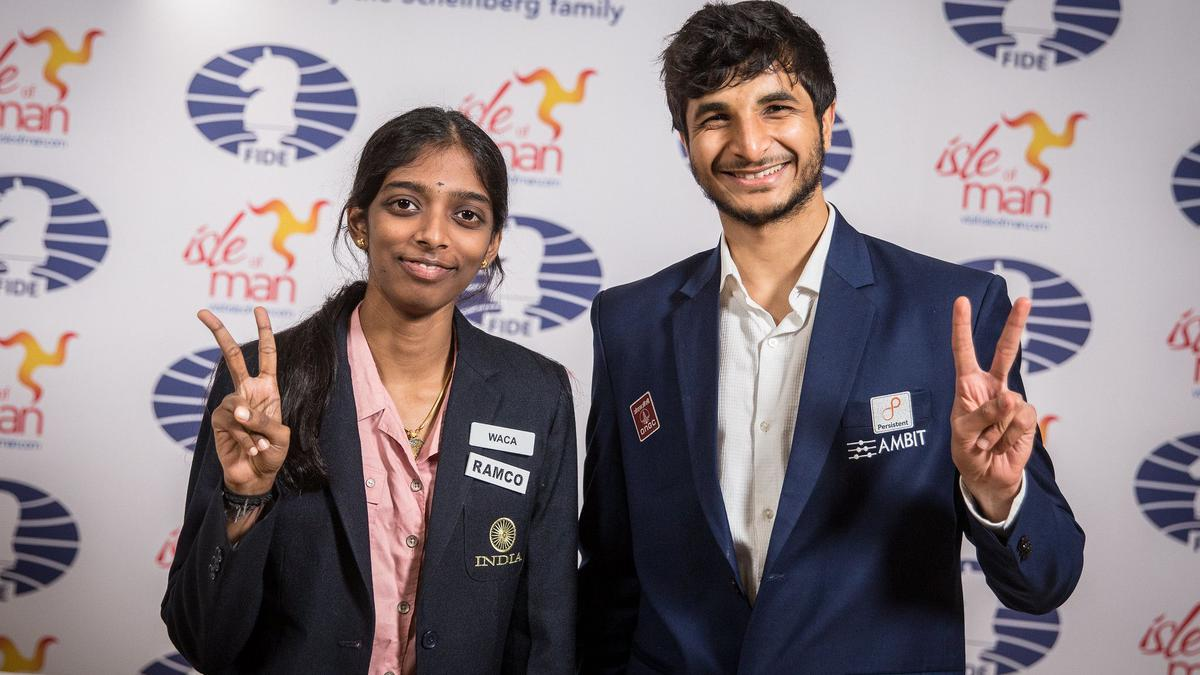
Anand showed it’s possible; following him, players like Pentala Harikrishna, Vidit Gujrathi, Koneru Humpy, and H. Dronavalli broke new ground; now Gukesh, Pragg, Vaishali, Nihal, Divya, and Arjun are creating further inspiration. Young players see a visible path. - Media and digital platforms
Streaming, YouTube commentary, online tournaments, Chess.com/Lichess, etc., have made chess more visible and more accessible. It makes training more democratic and allows amateurs to learn from top matches. - Institutional support
Government/state recognition, sponsorships, chess federations investing in talent, and events being hosted in India (e.g., Olympiad, Grand Prix, etc.) all assist in building infrastructure and motivation. - Women’s chess taking a leap
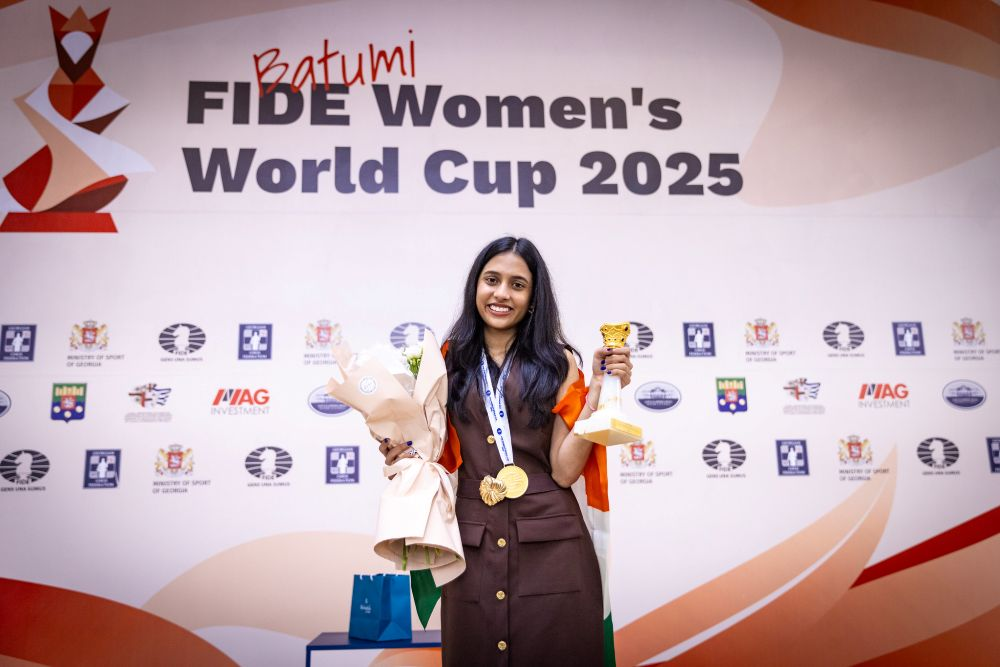
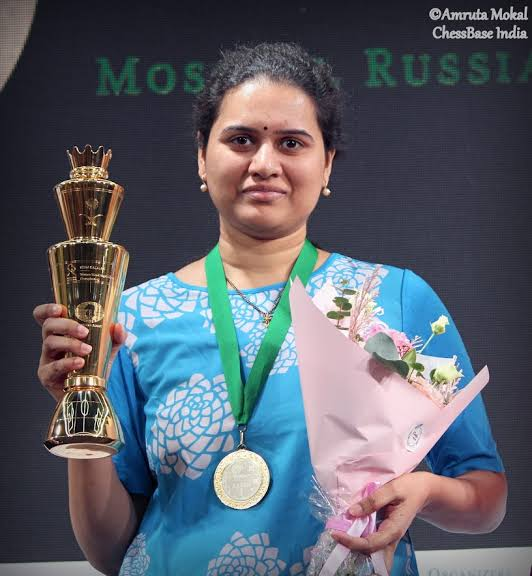
The recent wins by Koneru Humpy, and especially Divya Deshmukh becoming the 4th Indian woman GM by virtue of winning the Women’s World Cup, are important. They not only bring titles but also shift perceptions and encourage more girls to take the game seriously.
Challenges ahead
- Balancing quality & quantity: Generating GMs is good; sustaining competitive performance at top levels across many players is harder. Some players have peaks, but consistency matters.
- Support & funding: Players from smaller towns or rural areas may lack access to strong coaching, tournaments, or financial backing.
- Gender disparity: Though women’s chess has made strides, there are still far fewer women GMs, lower visibility, and often unequal support.
- Mental toughness & psychology: High-stakes games, pressure from expectations, fatigue, etc. Top players often talk about mental coaching, but many promising young talents may falter without it.
- Infrastructure outside major hubs: Centers like Chennai, Delhi, Kolkata, Mumbai, Pune have better access; other states and cities need stronger grassroots systems, regular tournaments, etc.
Interesting Nuggets & Insights
- Divya Deshmukh’s GM title is particularly noteworthy because she earned it directly by winning the Women’s World Cup, bypassing the traditional route of norms & rating thresholds. That’s rare and shows how performance in big events is being rewarded more systematically now.
- Koneru Humpy’s win in the 2024 Women’s World Rapid marks her second world rapid title, putting her among the top-performing Indian women in world chess in terms of major titles.
- R. Vaishali became the winner of the FIDE Grand Swiss in 2023 and 2025, cementing her status as a top global contender.
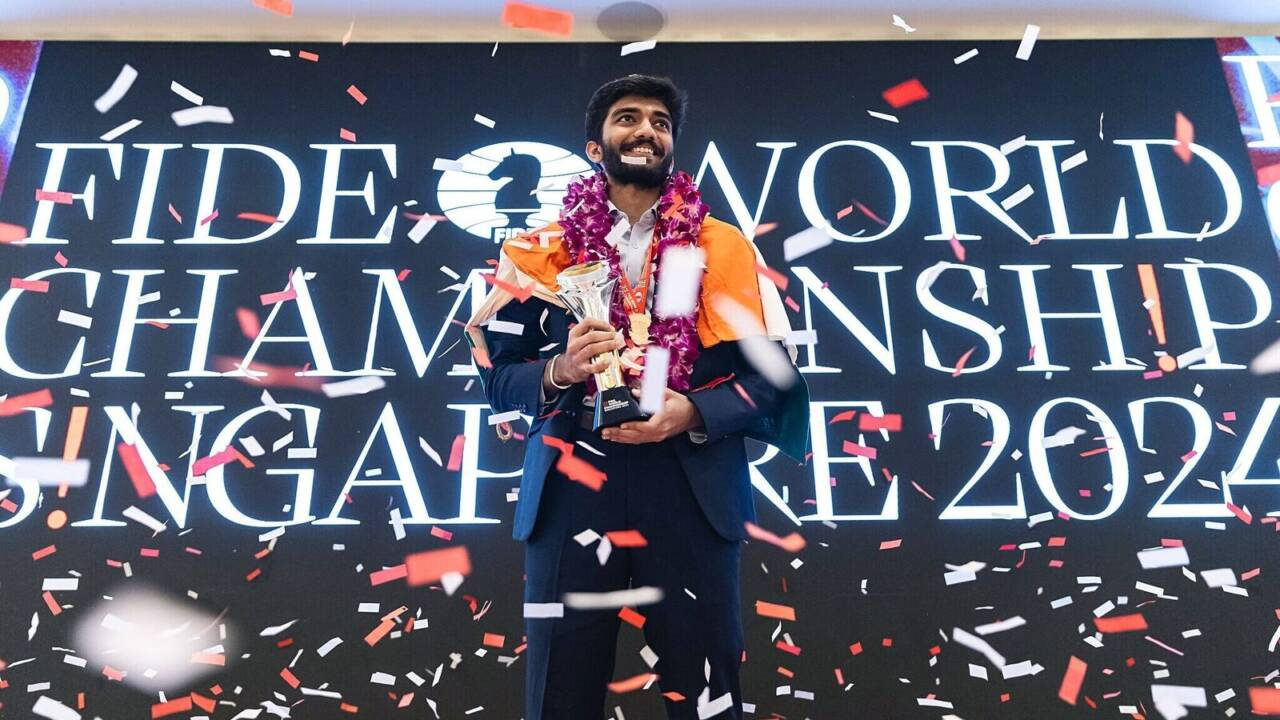
- Gukesh becoming World Champion in 2024 is historic: he became the youngest undisputed World Chess Champion. That changes what “young” means in chess.
- The performance hierarchy among Indian chess prodigies has become dynamic—R. Praggnanandhaa, Arjun Erigaisi, and D. Gukesh have all consistently held places in the world’s top 10 FIDE ratings. This fluid shift underscores India’s incredible depth in talent, proving it is not just about one superstar but a generation of elite contenders.
Global Chess Landscape: The Old Guard vs The New Wave
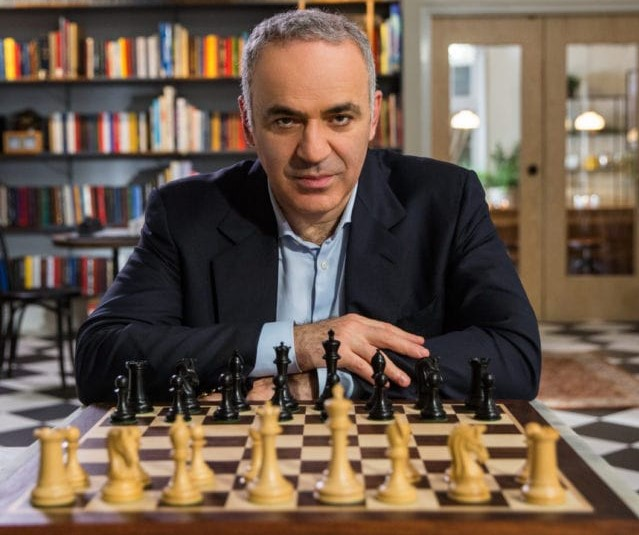
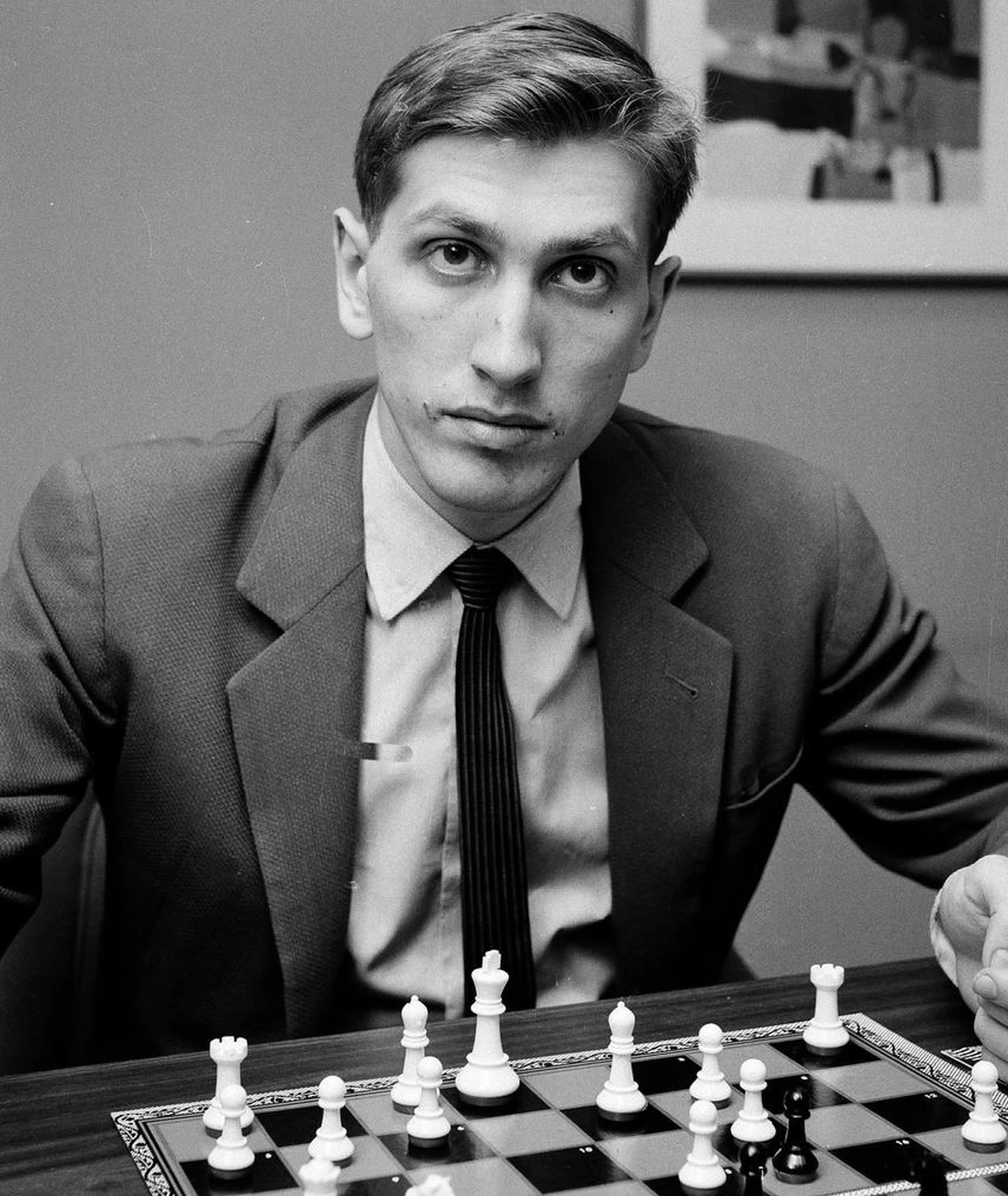
It would be naïve to think India already rules unchallenged. Chess, after all, has been shaped by generations of legends whose brilliance defined eras. Bobby Fischer’s fiery genius in the 1970s not only popularized chess in America but also made the game a Cold War battleground. Garry Kasparov, with his relentless dominance from the 1980s into the 2000s, redefined what it meant to be a world champion, while Mikhail Tal, the “Magician from Riga,” showed how audacity and creativity could stun even the strongest opponents.
In the current era, Magnus Carlsen (Norway) stands as the greatest of his generation—a genius whose positional mastery and nerves of steel make him a towering figure across all formats. Hikaru Nakamura (USA), meanwhile, has bridged elite play with mass popularity, becoming both a world-class contender and the internet’s most influential chess streamer.
But the difference now? Indians are consistently pushing them.
Against this backdrop, India’s “new wave”—isn’t just participating but challenging this old guard. They are proving that the future of chess may well be written in Indian ink.

A New Era of Collective Brilliance
“India’s dominance in chess has also been reflected in team events. The nation scripted history by winning the FIDE World Chess Cup in both the men’s and women’s categories, a feat that underlined its all-round strength and depth. For decades, India was seen as a land of individual brilliance through Vishy Anand, but today the collective triumph of its teams shows that the country has truly become a powerhouse of chess, capable of competing with—and defeating—the traditional giants of the sport
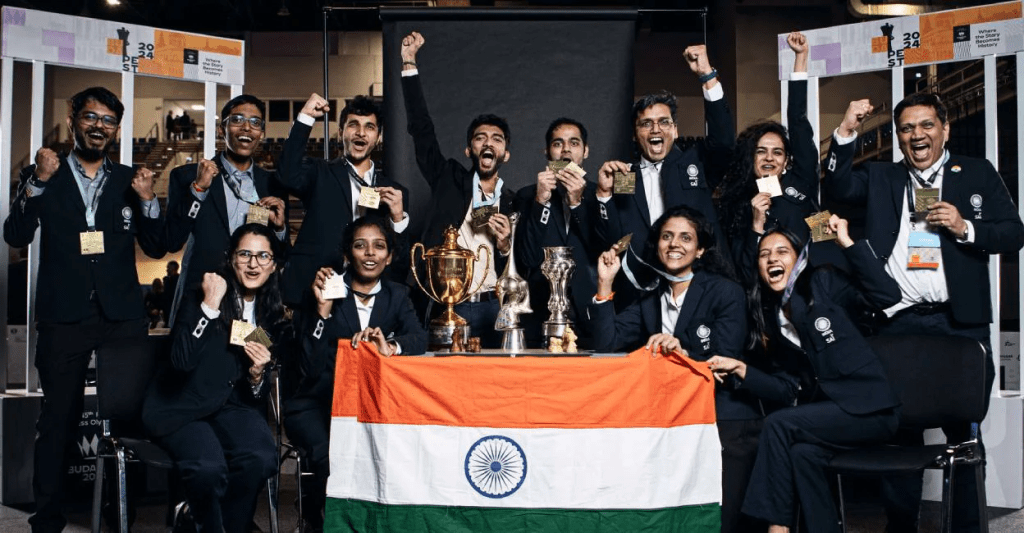
The Dawn of a New Chess Era
Indian chess today stands at a defining moment. From the legendary rise of Viswanathan Anand to the fearless new generation led by Gukesh, Praggnanandhaa, Arjun, Vidit, Nihal, Vaishali, Divya, and Koneru Humpy, the journey has been nothing short of remarkable. With India now producing champions across formats and even conquering team events, the country is no longer just participating in the global chess narrative—it is shaping it. While Magnus Carlsen and Hikaru Nakamura still guard the summit, the wave of Indian talent is steadily climbing, threatening to redefine the world order. The board is set, the pieces are in motion, and the coming years may well belong to India—the new hub of world chess.
 Mindscapes in motion